Thanks parents…
Ever have a parent tell you that you’re getting “A big old car – one made of steel. That way you will be safe in an accident”.
Well – tell them to stop trying to kill you.
Crash Test 1959 Chevrolet Bel Air VS. 2009 Chevrolet Malibu
Ever have a parent tell you that you’re getting “A big old car – one made of steel. That way you will be safe in an accident”.
Well – tell them to stop trying to kill you.
Crash Test 1959 Chevrolet Bel Air VS. 2009 Chevrolet Malibu
Amazing. Adam Magyar takes high-speed video of crowds as his train pulls into stations and then replays them at slow speed – creating a ghostly passage through the terminal. He did this in New York, Berlin, and Tokyo. Having just been in Shinjuku station a month or so ago, this one is my favorite.
Next time you are walking through Costco, knowing these secrets may help you with your buying decisions
Price ending in .99 – Full Priced
Price ending in .97 – Discount decided by the manager
Price ending in .79 or .49 or .89 – Discount decided by manufacturer or being tested at Costco. Usually lower than Costco’s price
Price ending in .00 or .88 – Should be the best deal and used to move the product fast
Price tag with an asterisk * on the right/top side – Discontinued item

After leaving Odaiba island, the beautiful sunset, and the giant Gundam – it’s about dinnertime as I head back through rush-hour downtown Tokyo. For dinner, I’m heading to an amazing place I read about – Memory Lane (aka Piss Alley) and later, Golden Gai.
Over the last few days, I spent some evening walks finding these two locations (not an easy task in itself) and scouting them. Now I wanted to actually enjoy them. But first, some background.
First, we’ll start with “Memory Lane” (Omoide Yokocho – 思い出横丁) which is less reverently, but more popularly known as “Piss Alley” (Shonben Yokocho – 小便横丁). Nestled just north of Shinjuku Station, it is a few narrow alleyways with ramshackle eateries squeezed right next to each other. It looks quite out of place next to the modern shiny modern glass/metal sky-scrapers surrounding it.
But before that, let’s have a little history lesson to understand it better.

(Piss alley circa 1960 – it’s already shrunk dramatically)
Located just north west of Shinjuku Station in Tokyo, this collection of stalls has it’s roots in the gritty and terrible post-WWII days. In 1945, WWII bombing raids had left the area around the station as little more than piles of rubble. By 1946, the few remaining shops and food stalls started selling daily goods like food, clothes, and other necessities to war-battered residents trying to rebuild. A black market street called Lucky Street popped up in the area. By 1947, food shortages become more severe and the Japanese government started placing strict regulations on many goods – such as flour. Many of the shops then switched from all flour based foods like ramen, udon, and other noodles to cheap meats such Yakitori and Motsu (which you’ll still find there today). The area grew and soon earned its pungent name because there were no bathrooms or other public sanitation fascilities. By 1959, there were over 300 stalls – many illegally set up by squatters. A redevelopment plan was made for the area and many of the stalls were razed and replaced with the gigantic skyscrapers you see today.
Today, only about 50 shops still remain in the area, but they are under pressure. Modern Japanese culture frowns on people eating while walking around – so much so that it’s quite common to see a group of people gathered around vending machines consuming their purchases instead of leaving. In some places, even eating in public (on the train/walking down the street) is seen as ill-mannered. There is also a general sentiment that considers street foods to be for the poor/lower class. On top of that, the area itself carries a lot of the stigma and reminders of those post-WW II shortages and struggles. For these reasons, many would like to see the area razed – but it still clings to life today.
So over my first few days, I discovered that even finding they alley can be an adventure in it’s own right. The area isn’t usually found in most guide books – which is a shame really because I believe it’s places like this that help you really understand a place, it’s people, and it’s history.

The location of the alleyway is not well documented and is surrounded on the outside by strip-mall like modern stores that one could easily walk right past. The low-budget mobile phone vendors and small electronic nick-nack shops certainly disguise the fact they are surrounding a whole different experience of shops on their inside.


The entrance to the alley is down a pedestrian side street and is so tiny that it is barely noticeable Even when looking for it. There is this little green archway sign with a yellow map of the restaurants below it. You then see the half-stall (4 foot wide) entrance to the alleyways.

Once you step down the alleyway though – you enter what looks like a totally different world. The network of tiny walkways is lined with tiny eateries serving ramen, yakitori, soba, kushiyaki, and countless other street-food style dishes. Each restaurant consists usually of just one counter with some stools, but there are a few larger ones that have a couple of tables.


By about 9pm, the stalls and alley were getting quite busy and one had to start squeezing around folks. Occasionally you’ll run into a group of Japanese businessmen/group of ladies that had already hit the bars pretty hard and were ferrying an inebriated friend or two home. One such fellow in his 40’s/50’s came by, threw his arm around me, and we became ‘best buds’ for about half a block until his buddies pried him off and we exchanged knowing nods and laughs over their poor inebriated, but completely friendly, friend. More on the drinking culture later.

Each restaurant stall is often no bigger than 8-10 feet wide – but go about 20-30 feet deep. Most have open fronts and are packed right next to each other. Some had little sliding doors against the outside weather, some had plastic sheets, others had nothing and were open to the outside air. Most of the ones with with doors appeared to be more for locals that people would sit, drink, smoke and chat leisurely for long periods of time.

Most of the stalls were laid out similar to this one above. There is a long counter that runs down the center with the cook on one side and stools/patrons on the other. The counter has a shelf/display case of whatever is being cooked up for the night, and there is usually a small charcoal fired grill on the end cap near the opening that vents out into the alleyway. This made for some amazing smells as you walked down the alley and got great whiffs of fish, yakitori, eel, and all sorts of other meats being cooked up.

Some of the stalls had a great number of different dishes (like these guys above) with lots of different varieties of meats, vegetables, and soups.


Others had only one or two kinds of dishes. These guys, for example, only had some kind of chicken soup/broth dish they served up with various sides.

This was some kind of ramen/soba noodle place that never had an empty seat when I walked past it. Bummer – looked really good.

This place had many vegetable skewers – but you can also see 3 shops in this particular shot – and how thin the walls are to each other and how tightly packed they are. I had the 17mm lens at it’s max FOV and still was having a hard time getting things into shots.

Another very typical scene from one of the small shops. Note that smoking is totally cool – so this isn’t really a set of places to eat out if you’re a non-smoking snob. Still, smoking was fairly limited with only one or so people smoking at a stand. Most of the time you wouldn’t see anyone smoking; but you should be prepared for someone to light up at some point.

Some of the eateries have upstairs rooms that you can’t really get access too unless you’re an insider or are very polite. You can see there is barely enough room to squeeze through to the stairways. This one had the stairs up front, some were hidden in the back. I had the option on the night I was there to eat upstairs at one place with such a second floor, but the food would have to be brought up to you. Since I was traveling alone, I opted to sit downstairs where the action was next to the grill so I could meet folks and see what was being made. It would have been a great way to keep with the Japanese custom of sitting and drinking with friends for hours though.

In the end, I decided to stop into this little shop that seemed to have a wide variety of food and start my eating and drinking adventures. It also had an open seat right up front near the open charcoal grill so I was constantly smelling great food and seeing everything being ordered by the 10 or so folks in the place.


I pulled up my stool next to the grill and started watching for the dishes I wanted to try. I started with this fried fish. I ordered a beer and had an absolutely scrumptious dish of fried fish and rice. I then branched into some yakisoba and other skewers that the matron had pre-made and were sitting on metal trays, ready to be cooked and then eaten.

While eating, I started making friends with those sitting around me. After a few beers, I got to talking to these guys. They worked at a South Korean chemical company. The guy next to me was a chemical engineer that specialized in coagulates for waste-water treatment. The middle guy was his boss, and the guy on the end was a friend of the boss (if I remember right). We had a lot of great fun drinking, eating, and swapping stories. We ended up buying each other numerous rounds and all kinds of crazy foods – but there was no way I could keep up with the hard-drinking style of these guys. I told them I was a software engineer and we swapped cards. The guy next to me even gave me a Korean 100 Wan coin as a souvenir.


We also had a lot of great banter with the matron – a very funny and happy lady. We had lots of fun with her making me various dishes and I ate until I was stuffed. I even bought her a round as part of a round I bought with my new Korean friends. She politely had a shot of sake with us as part of our toast, but then insisted on drinking my beer with me most of the rest of the night (yep – she’d reach over and take a swig out of my beer and wink at me). There were some funny comments by my Korean friends about ‘indirect kissing’ and many a good laugh was had despite the fact she spoke no English and I very little Japanese. In the end, I couldn’t eat another bite or drink much more and had to call it a night as we rolled into the midnight hour. I bid goodbye to my new friends and staggered home to catch the last midnight train back to my hotel. It was also pretty amazing price – I blew less than $40 for tons of food and drinks.
But it wasn’t the only night I ate there. The next night I returned.


I decided to try a very different booth this time – one that looked very much full of Japanese businessmen. I could tell this booth was a much more locals-only style of place, but with a bit of charm and a LOT of Japanese politeness, I managed to get a seat.


This is the only picture I took while in there since you could tell they were not beholding to the tourist crowd (or cameras) at all. This place seemed to go by the style of only serving one dish style – and this night was fried eel yakitori. It was served up by this older guy that cooked them on his little charcoal grill just under this fantastic melty lamp. There was even a picture of it behind him enshrining the lamp. Can any of you help decipher/translate it since I found nothing on the internet about this artifact? It was covered with black grease/tar/??? from what I can only assume was years and years of frying underneath it. It was also melted in a very odd way too. The lamp was trippy in a Salvador Dali sort of way and clearly something of a trademark/mascot.
As a counter spot opened up, I sit next to an extremely drunk older guy that attempted numerous times to have a conversation with me. Despite the fact I didn’t speak any Japanese, I don’t think it would have mattered much if I spoke the language or not. You could tell the servers had kind of stopped serving him and he was nearly falling over drunk and barely getting sentences out. I took the opportunity to earn a little face by being very kind to him and helping him remain upright in his chair and making some small-talk (very small talk since I only knew a few dozen words of Japanese). After a few minutes of this and being very polite, I seemed to have won over the servers who had started by gruffly telling me ‘no English’.
This place worked on the system that they would cook up a full grill full of skewers and then serve them out as people asked for them. Within a few minutes, another batch of the skewers were cooked up and I ordered up 4 of them.
Each skewer was about 4-5 inches long, covered in some delicious sauce, and absolutely wonderful. Over the next 45 minutes, I think I down about a dozen or more of them along with a beer and a half. Looking around, I see that I’m on the low side since some guys have a pile of 20-30 empty sticks each. I end up after this feast having only spent about $10. Anyone that says Japan is terribly expensive must be going to the wrong spots. I got one of the best meals for a super-low price in the heart of Tokyo.
It’s at this point that I realize that Japanese beers are actually pretty good. I’ve had Japanese beers like Kirin and Asahi (my new favorite after this trip) in the states, but the same brands here taste completely different. Much, much worse in fact. Not sure what happens in the translation/shipping, but they’re way better in Japan than their same-named US counterparts. They tend to be very light beers without a lot of hoppy flavor – which makes me happy, and a complete outcast in hop-loving Portland.
This second night I cut out a little early (and a lot less inebriated) – because I’m heading over to the heart of Shinjuku to spend some time at Golden Gai.
Man, sorry I didn’t get around to this sooner. Been busy with work and just slipped my mind. With all the CES announcements, it reminded me of the notes I took at PAX Prime 2013 in Seattle. Here they are in kind of un-filtered format.
Session: Building a Team for Indie development
A panel of several successful indie development teams answering some common questions/start-up topics.
Session: Gaming’s dirty secrets – why your favorite game never left Japan/got ported/has crappy port/etc.
A panel of developers/producers/game industry vets answered questions about why games get canceled/delayed/never ported/etc.
Session: Game career management
Panel of Indie developers. Much of this was similar to things that had been shared in previous years.
The longest word I’ve used in actual conversation is: boustrophedonically. However, I just learned another one: floccinaucinihilipilification.
“Her habit of looking at the world with such disdainful floccinaucinihilipilification was always such a downer. I wondered if anything ever really pleased her.”

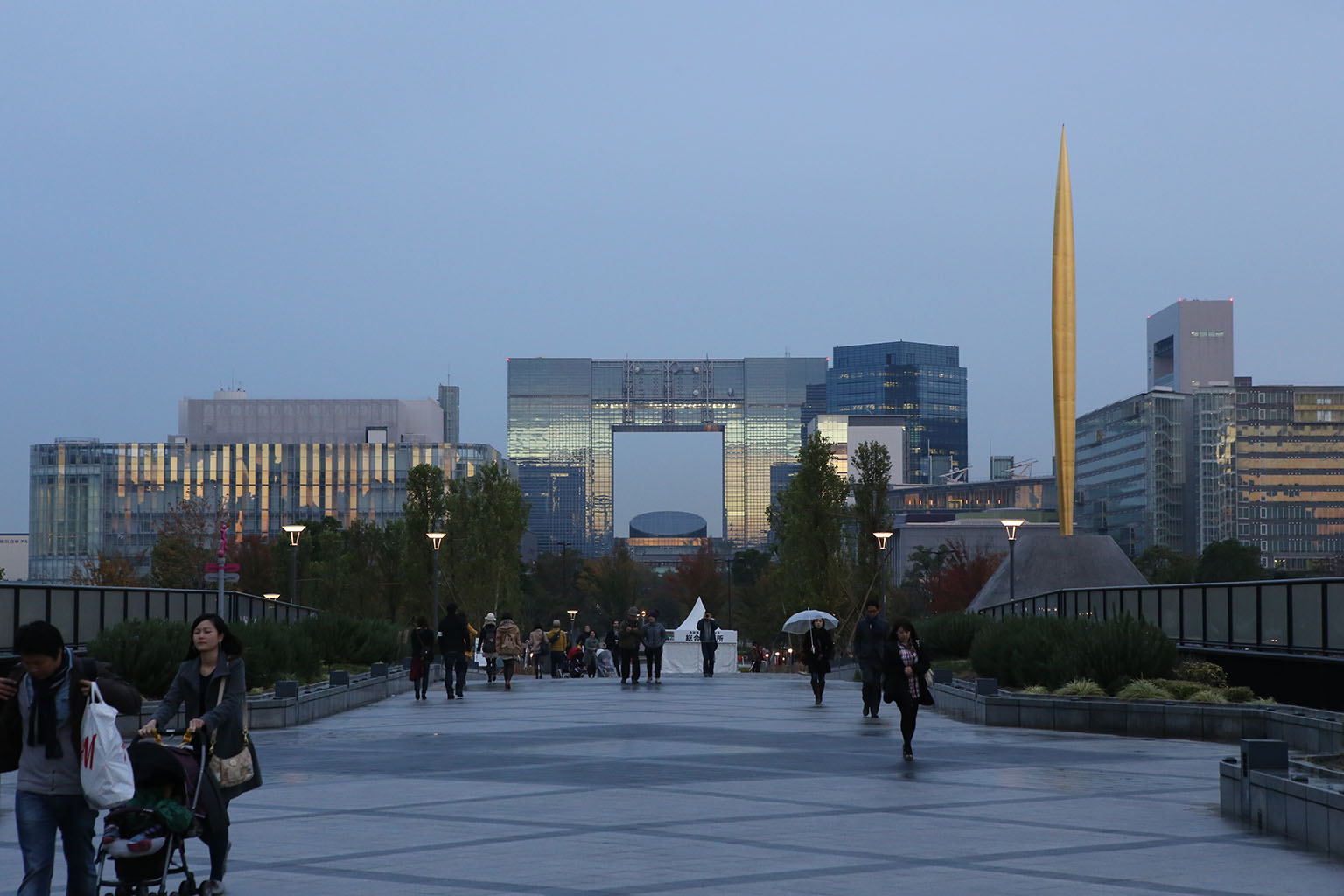
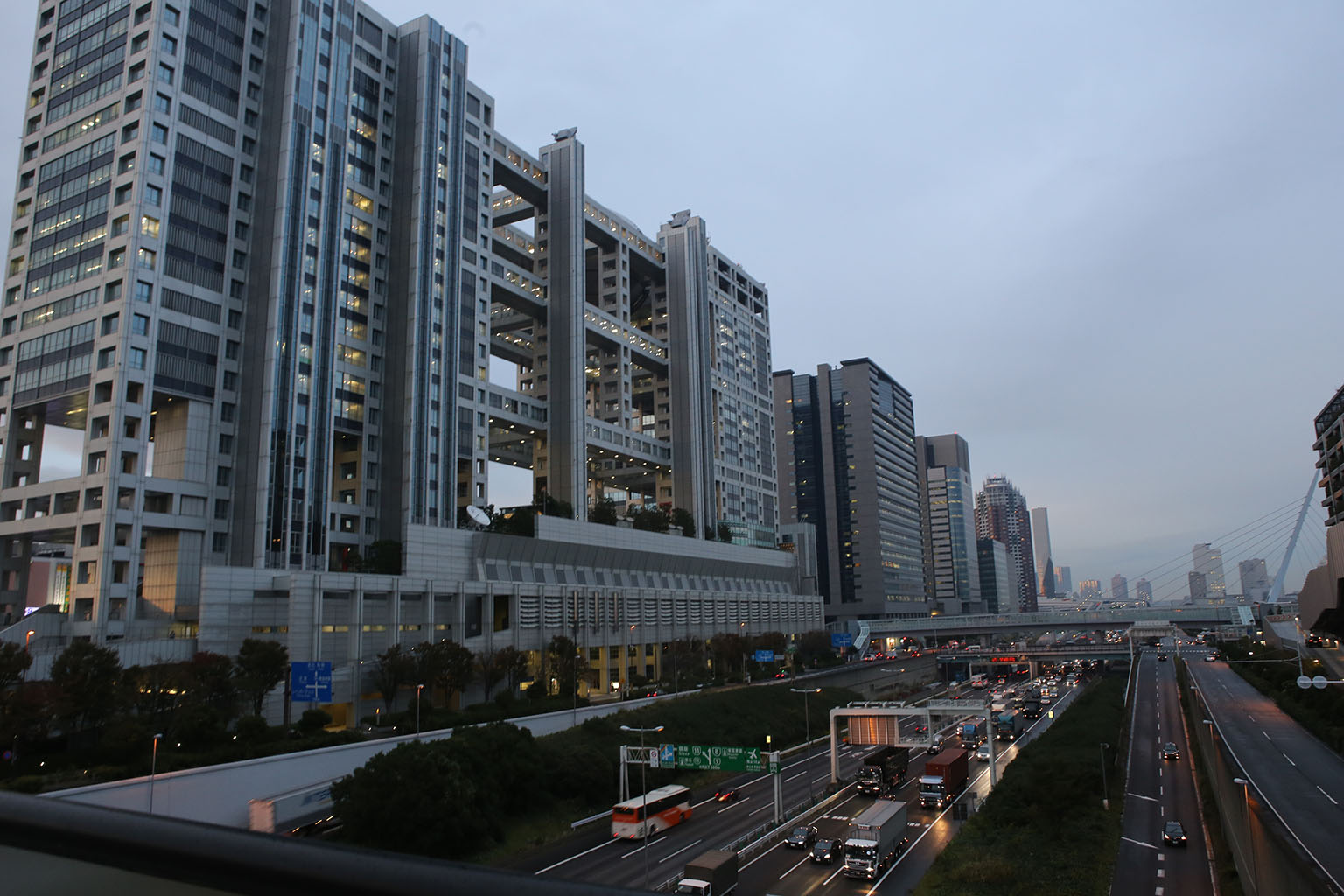
Odiaba island is a large, artificial island in Tokyo bay. Starting as a military defensive base in the 1800’s, it grew dramatically as a port hub in the 1900’s. In the 90’s it got targeted during the the Japanese real estate boom as a commercial and ‘future showcase’ development area. The mayor of Tokyo began a major development plan for the island called Tokyo Teleport Town and was designed to showcase futuristic living. It had residential and commercial development for about 100,000 people. However, the mayor’s successor halted the plan in 1995 as the Japanese asset bubble popped after a great number of the lots were still vacant and the area underpopulated. Unfortunately, over 1 trillion yen (~$10 billion USD) had been poured into it by that point. Many of the special companies that developed the island quickly went bankrupt as Japan went through their ‘lost decade‘ during the late 90’s as the overvalued asset bubble unwound. Since then, it’s languished – and it shows.
It has absolutely enormous buildings in a large-scale city-planning style. Capturing the scale of this complex is very difficult due to the huge buildings and the gigantic open spaces between them. The whole place feels like a bit like those images of Chinese ghost cities but with odd futuristic buildings that look nearly empty and few people walking around. It was actually kinda creepy.
I could easily have spent a day walking around the humongous city/island. The buildings were nearly miles apart. But I was looking for Diver City. Diver City is a large and very nice modern mall. I found it just a short walk off the rail line. It’s about 5 floors of shops – and reminded me very much of any modern mall you’d see in the US. Almost all the same stores were there too: Old Navy, H&M, Diesel, American Eagle, etc. The food court also had a lot of mall-style chains like McDonalds, Starbucks along with lots of local chains I didn’t recognize. They had some higher-end shops and gourmet chocolate stores as well. So, overall, on the flashier end of mall stylings. But this wasn’t what I was looking for. I was quickly trying to find a certain recent addition before the afternoon show.
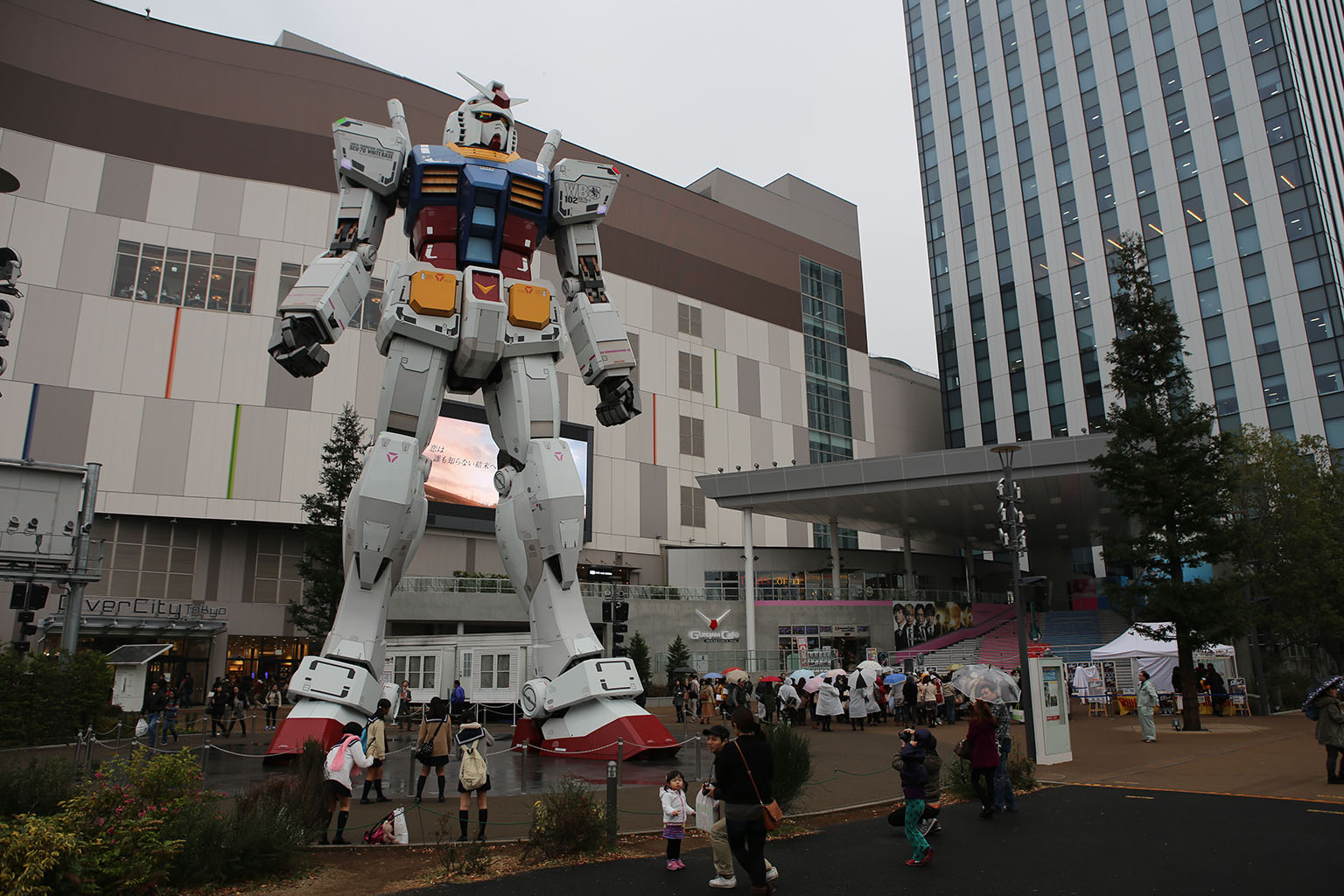
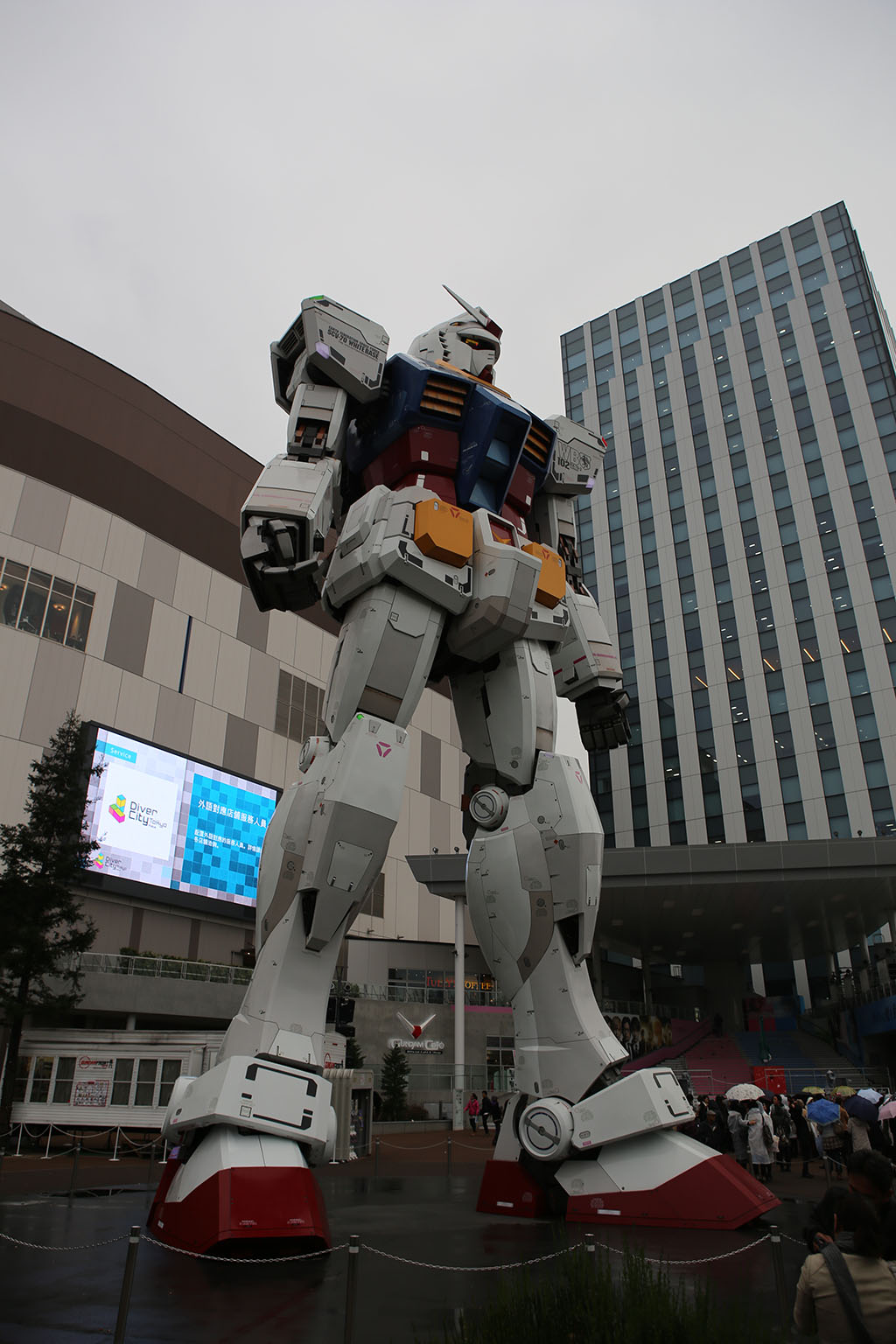
I head out the door of the food court and – bang! There it is – the Giant 60 foot tall RX-78 Gundam. This giant robot/statue/installation was originally built by Bandai in Odaiba’s Shiokaze park to mark the 30th anniversary of the massively popular Mobile Suit Gundam franchise. It was first constructed and unveiled in July 2009, and made a big splash with fans. It was so popular that in March 2010, they rebuilt it with a light saber. Since then, it found it’s more permanent home at Diver City. They have daily shows where lights, smoke, music, pour from the robot as it comes to life. The daytime shows look just like this:
The night-time shows have lights and video accompanying them. I had a few minutes before the afternoon show, so I looked around the foot of the giant statue.

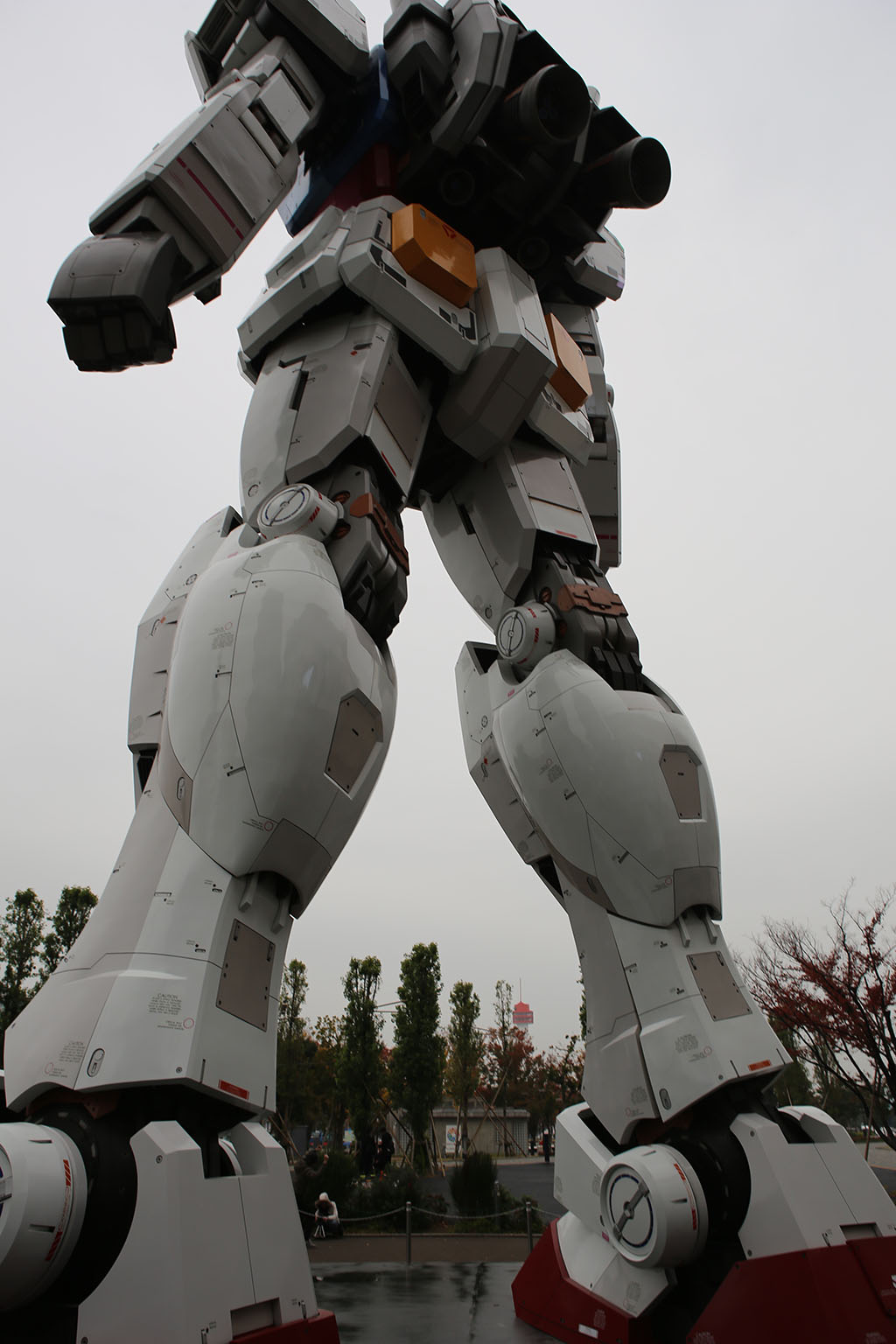
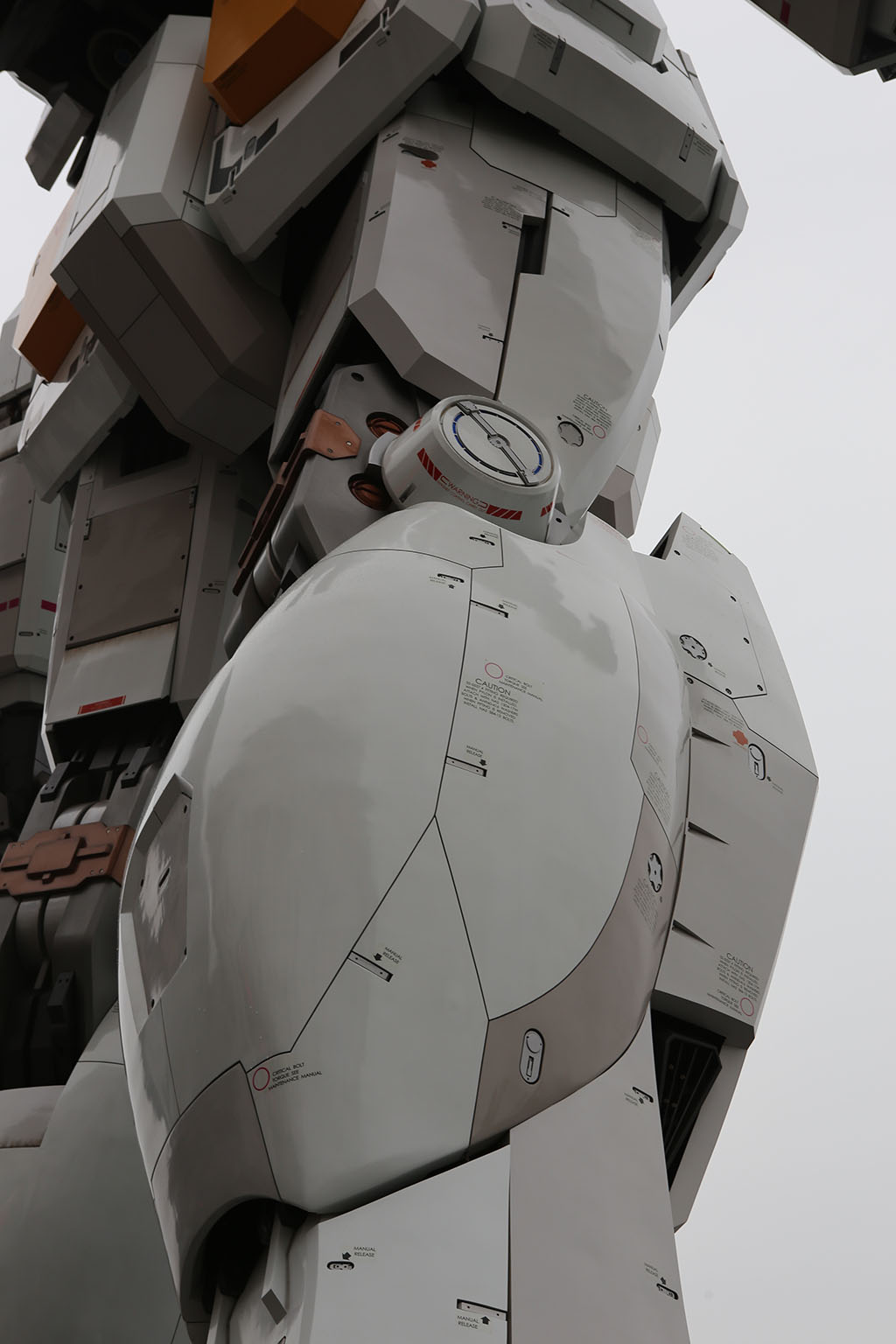
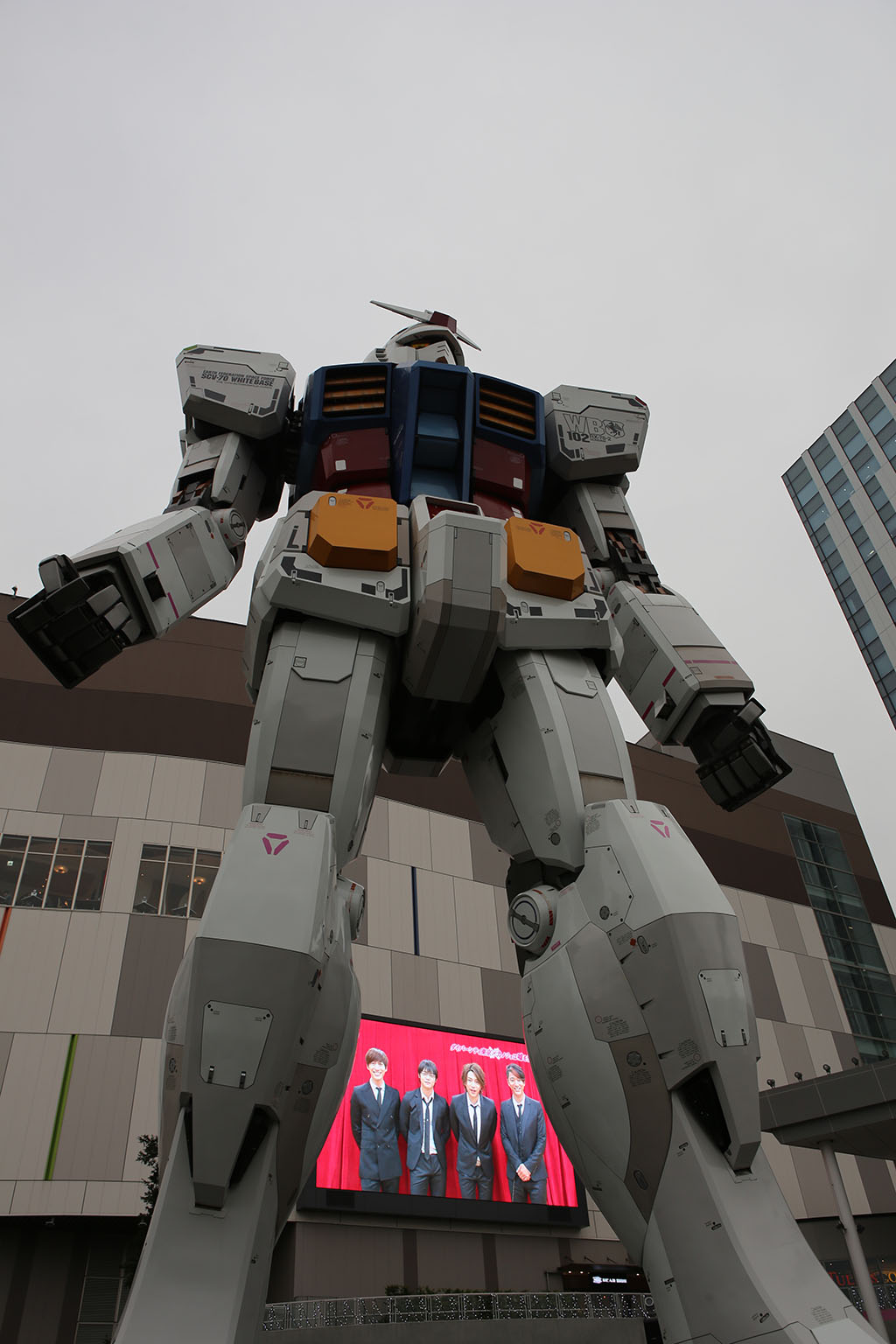
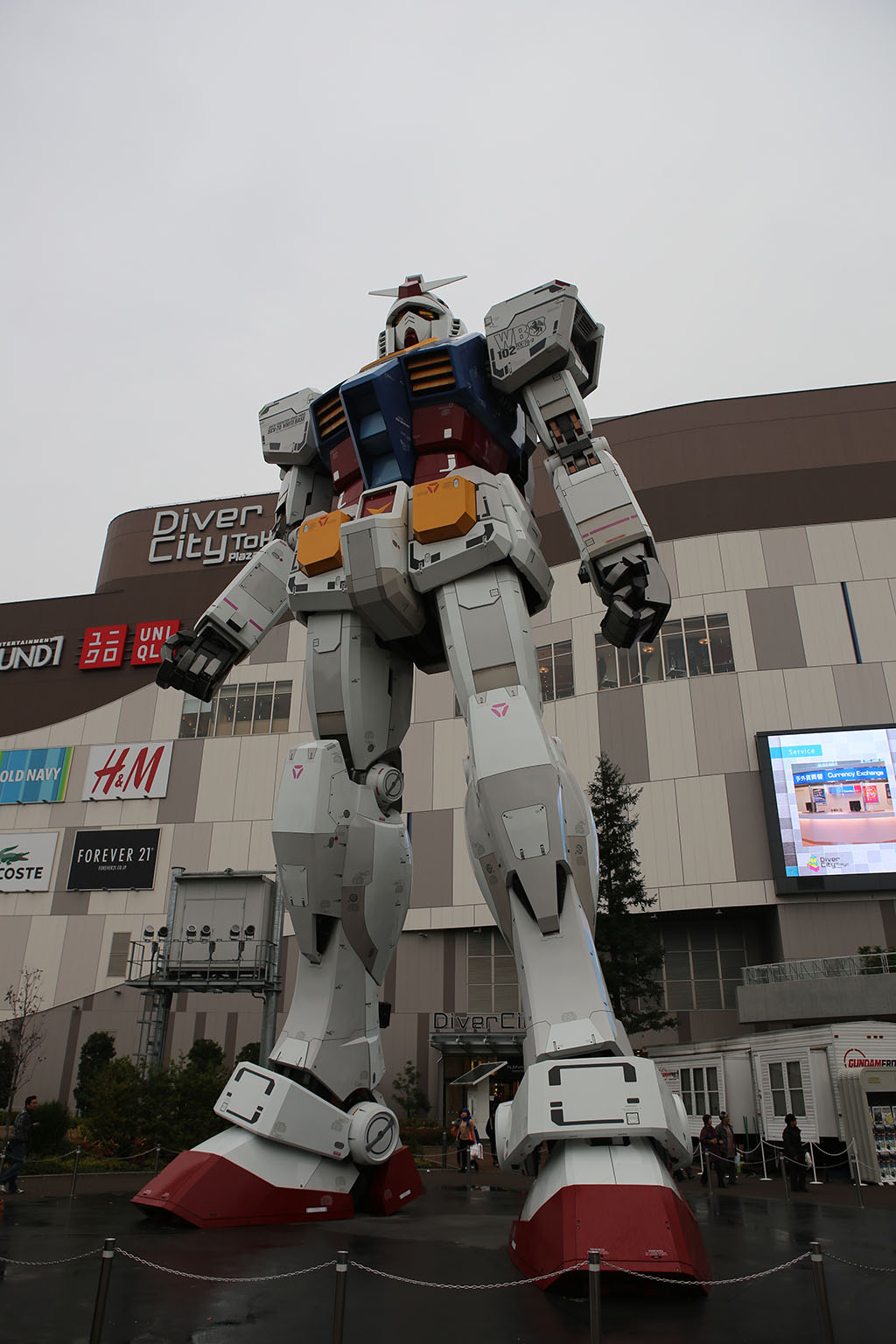
The detail was just fantastic. Usually, with things this big, the closer you look the shoddier it is up close. You look in between the joints and see hollow forms. The section edges/connectors are actually just paint on a solid plastic form/etc. Not with this thing – it was fantastically detailed even inside the less-visible areas. Some serious love and care went into this statue. Amazing amounts of detail were everywhere on it.
It was kind of interesting, because just to the right of the Gundam, was a small stage with HORDES of teen girls waiting in the sprinkling rain. I couldn’t quite figure out what was going on until the Gundam show finished. All of a sudden, the girls start yelling as a 4-teen boy band popped out of their tent and started singing on the makeshift stage. It was kinda surreal to watch all these young ladies singing along with this 4-guy boy band next to a giant Gundam. I went over to the Gundam’s temporary shelter area where they had a store selling a lot of their current Gundam line toys.


But that’s not all that’s Gundam at Diver City. They have a whole museum area inside the mall on the top floor/north end called Gundam Front. Gundam Front is a store/showcase/museum for the Gundam series.

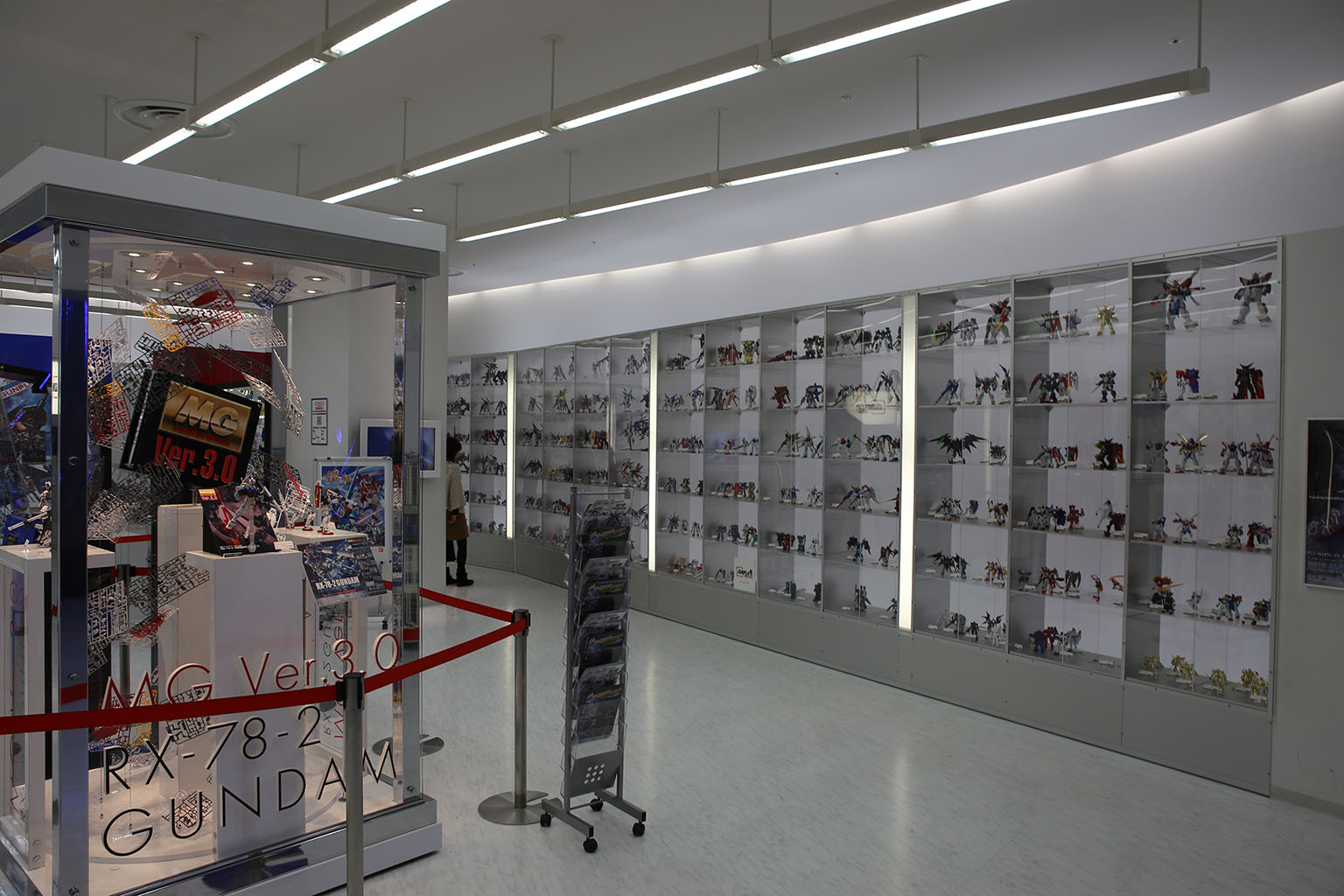
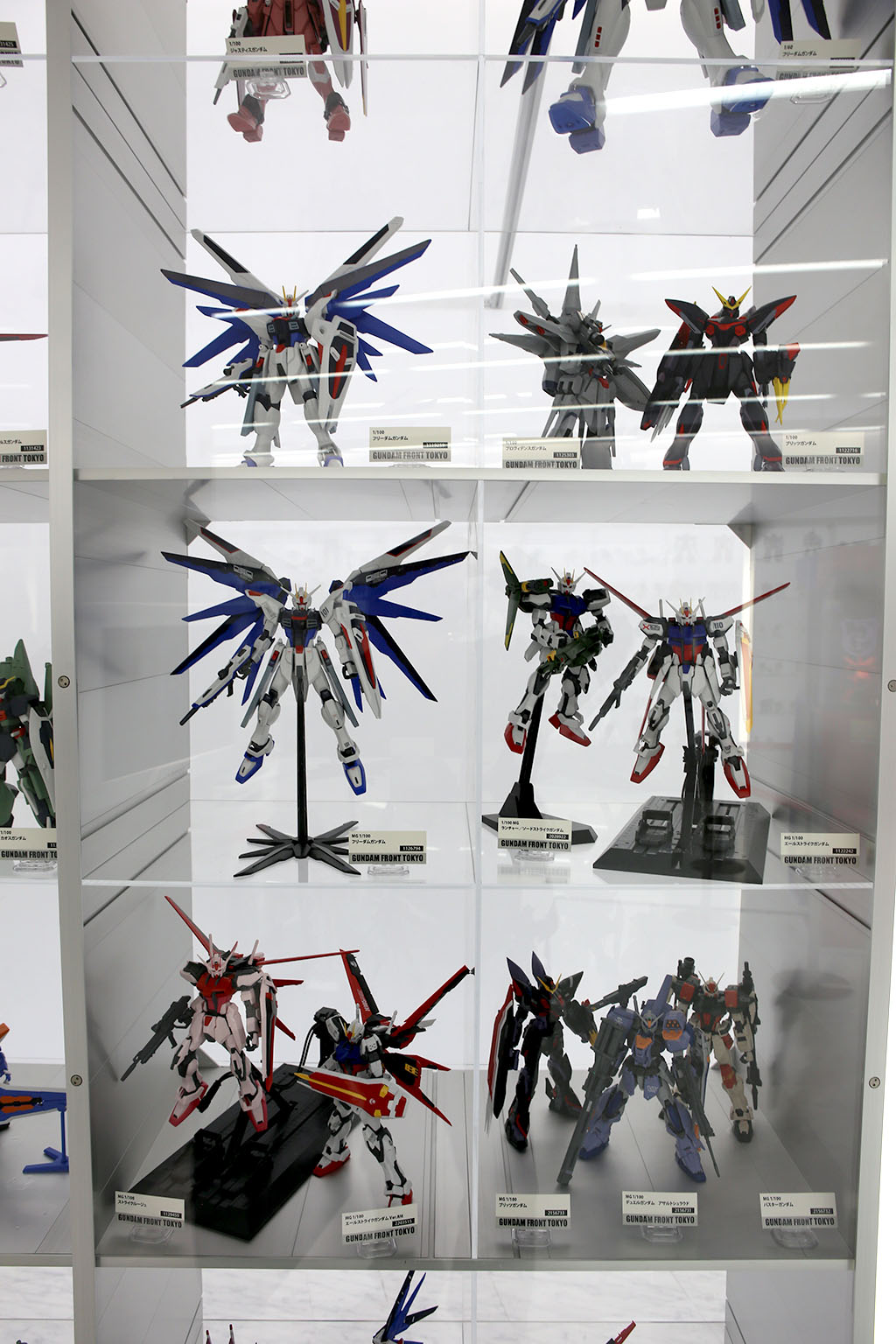
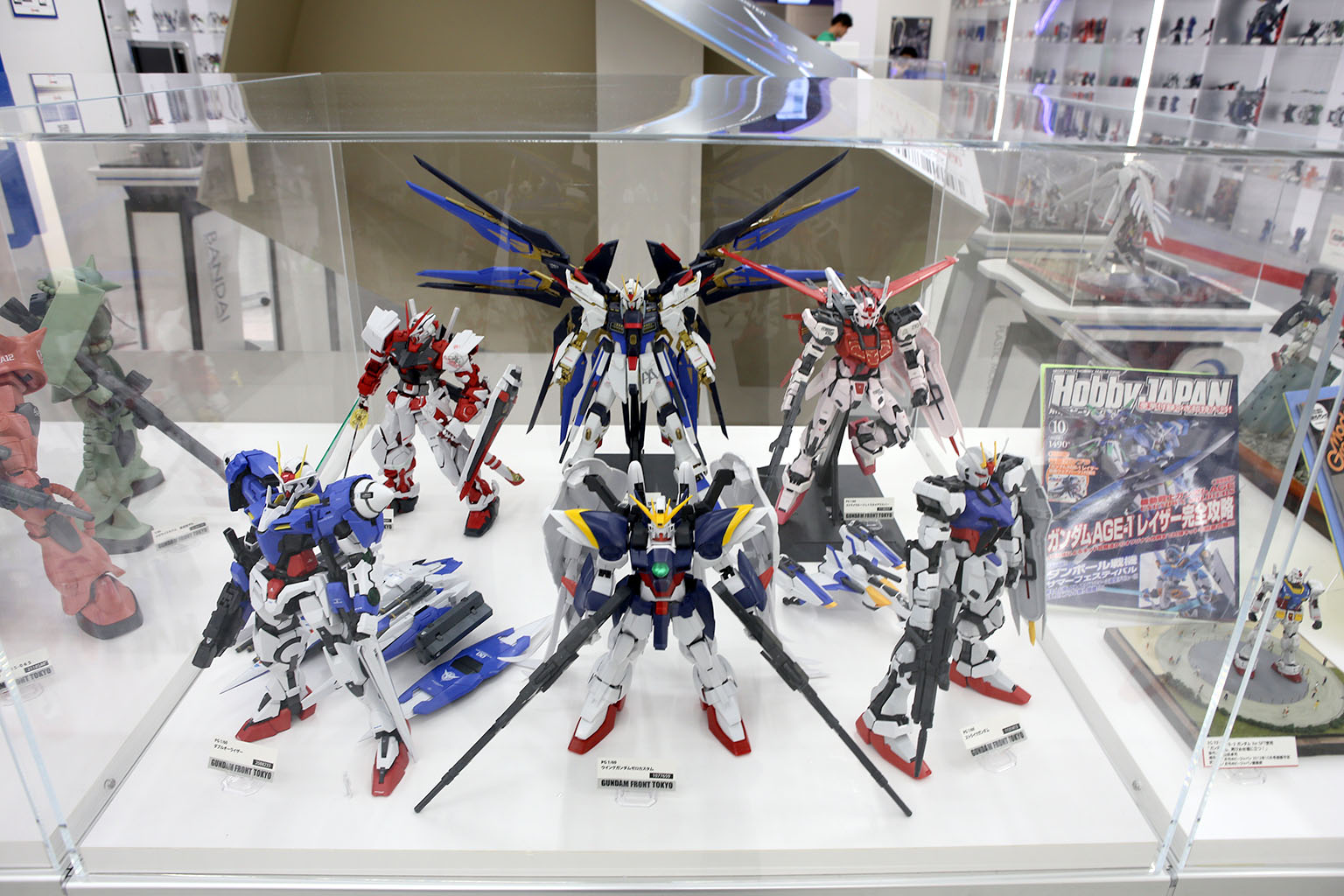
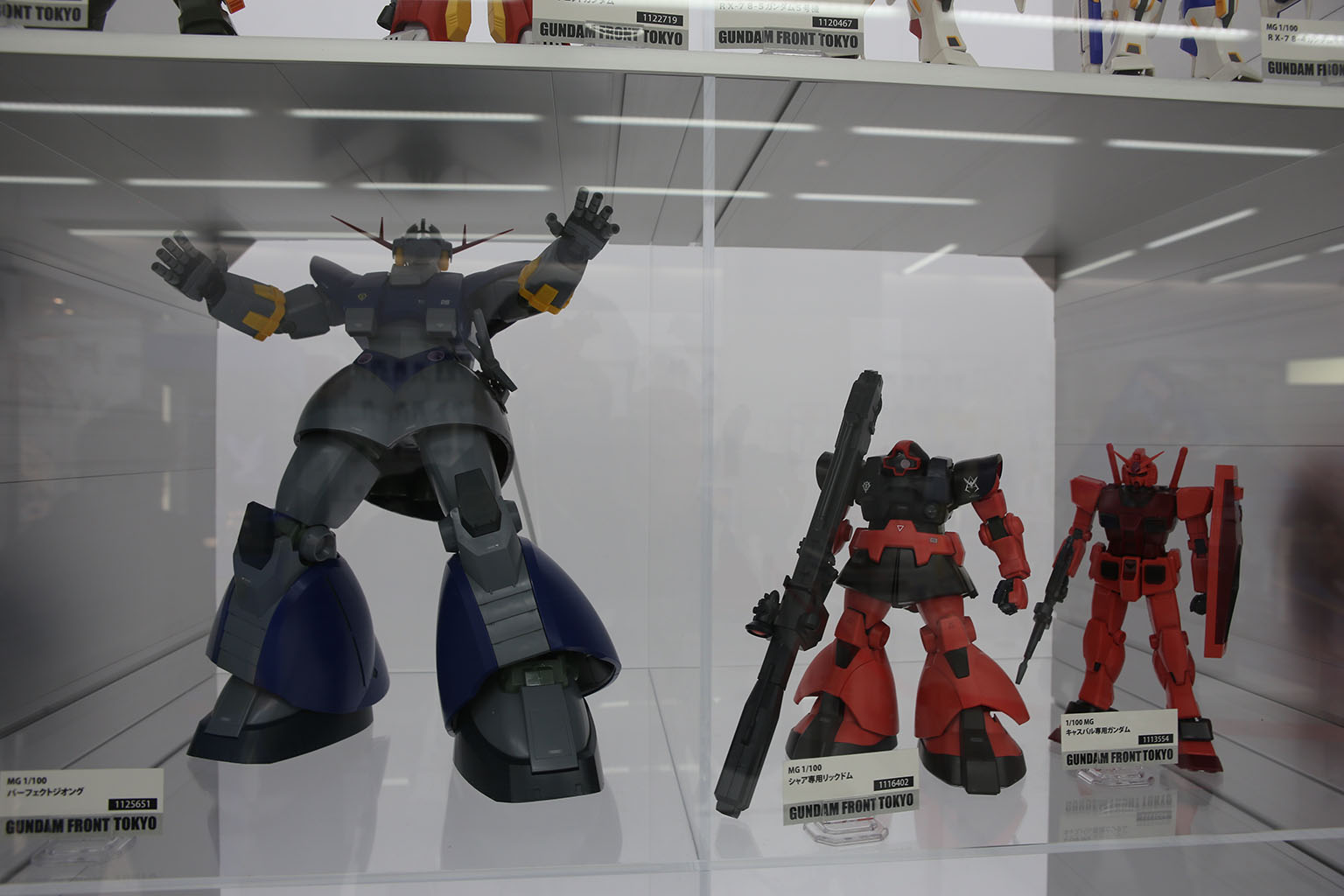
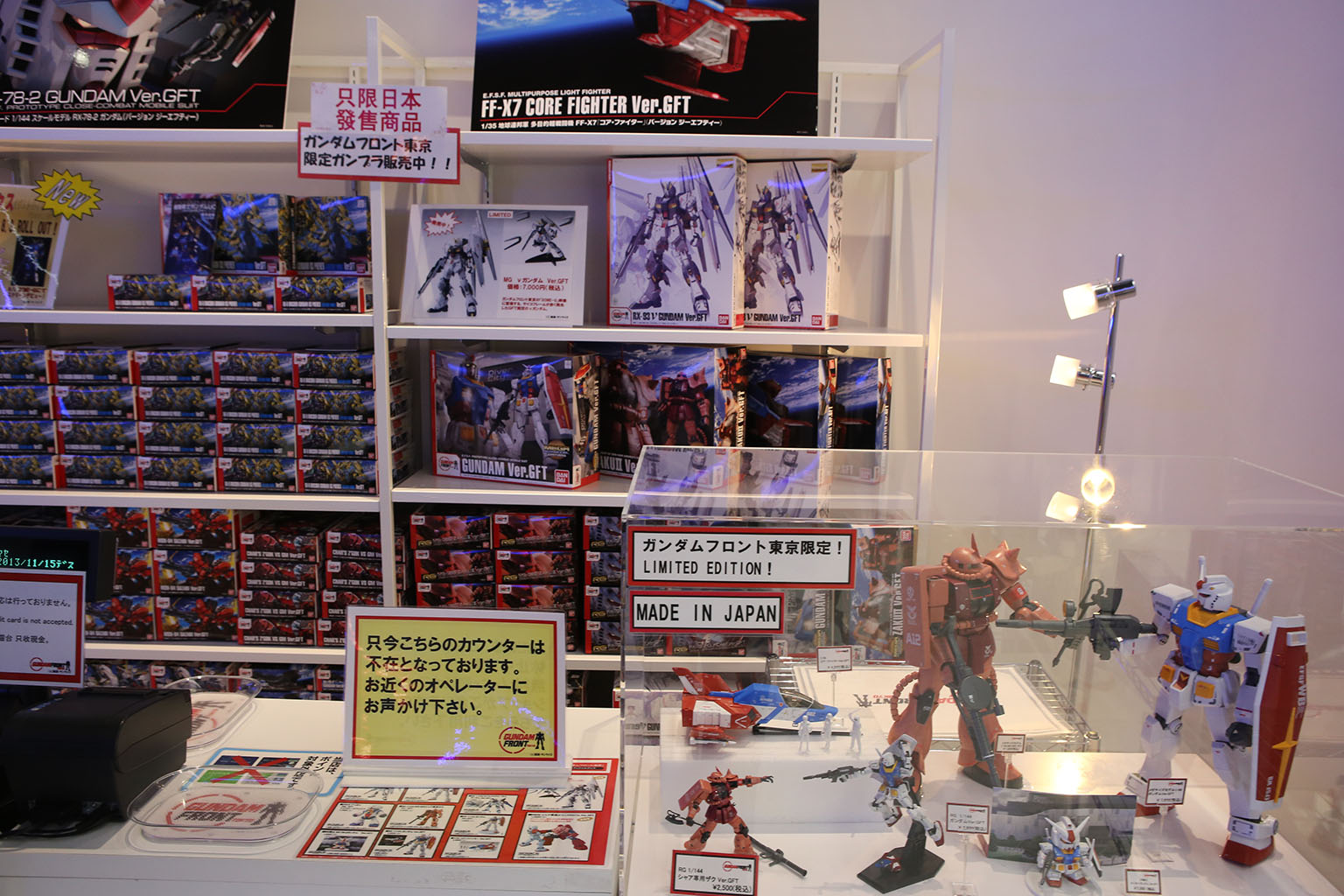
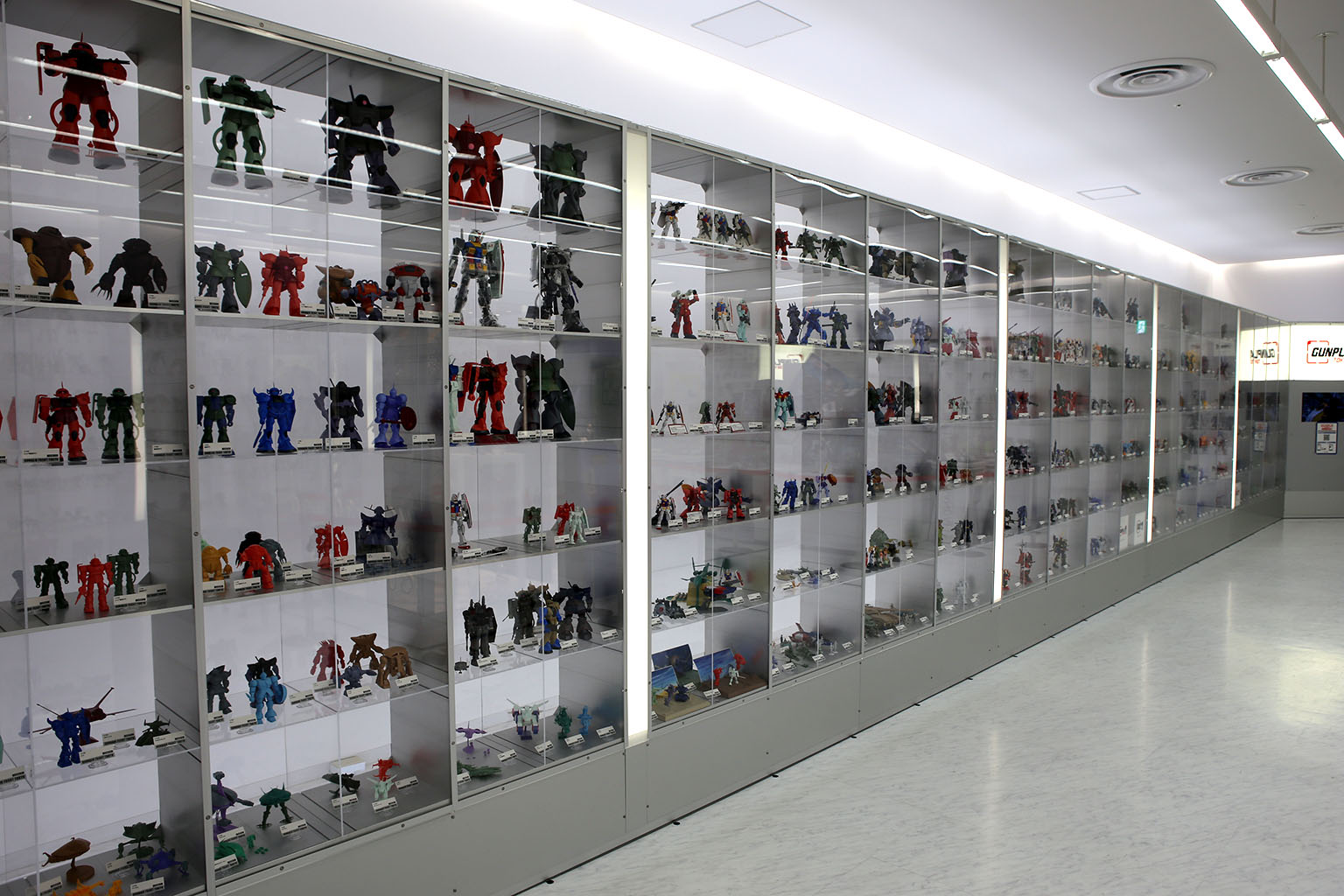
On your left as you enter is a museum are with just about all the Gundam toys ever made. Two giant rows with special display cases in the middle. You can see how they’ve evolved from very simple beginning to massive and complex models as time went on. They went through a lot of different style changes too. But it was pretty amazing to say the least. One could easily geek out of the whole line.

But it wasn’t all just toys. They had a shop with clothing too. I found the prices to be pretty amazingly high, but probably not an issue for true fans. There was also a whole pay area to Gundam Front with life and scale-model sized Gundam suits along with many of their more famous enemies as well. I decide not to pay the money to go in – and I believe they had assigned time slots as well. I enjoy a good robot as much as the next guy – but I don’t think I was ‘hard Otaku’ enough to warrant it.
I grabbed a bite to eat at the food court and walked around the high-end shops of the mall a bit to get a feel for things. I especially enjoyed the gourmet chocolate shops that had all kinds of interesting brands and styles. Strange styles of Pokey and candies I’ve never heard of before. But, nothing too noteworthy as this mall was much like other malls, so I called it a day.
As I left, however, I was treated to one last gift from Tokyo. Sunset.

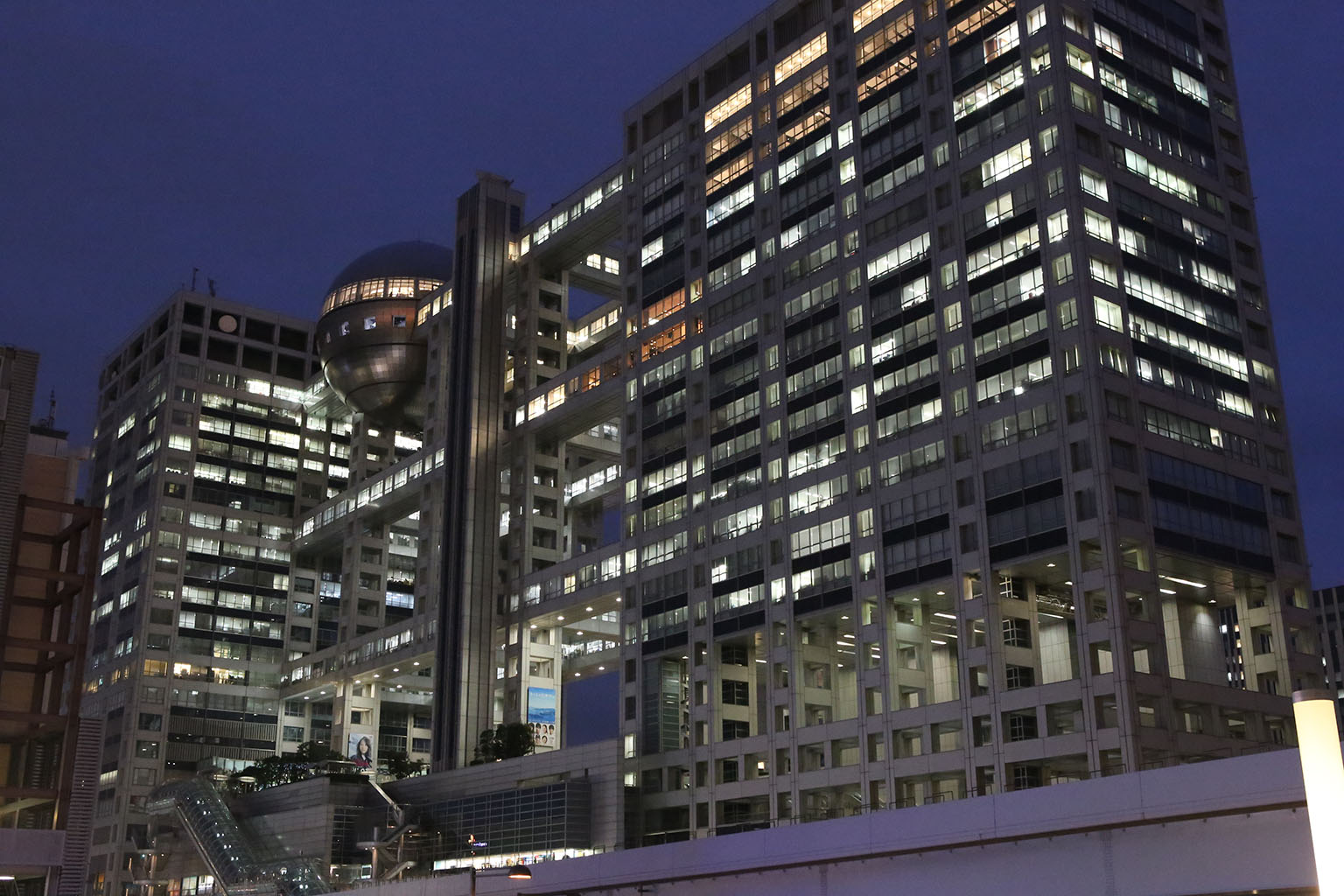
Being fall, sunset comes early. The buildings on the way over to the train station already had their lights start coming on. This particular building was intriguing, it reminded me of some kind of cross between a Sierpinski carpet (in this case a Sierpinski cube). As I rounded the building, I was greeted by a few sights simultaneously.
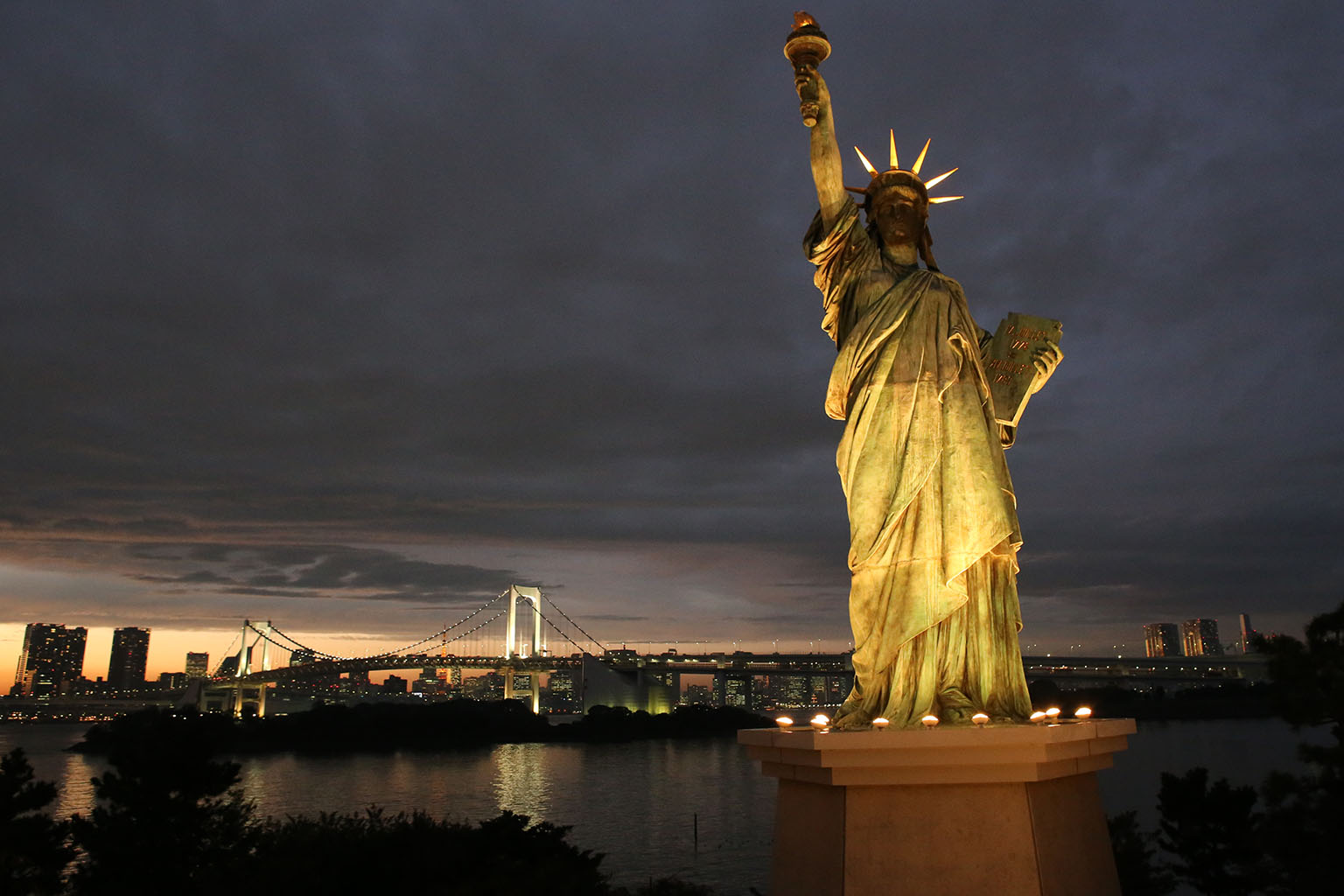
First off – the Statue of Liberty!?! I had no idea there were so many Statues of Liberty around the world – let alone one in Japan. This version was only about 30-40 feet tall, but there it was. There was also a small area set up with a large Christmas wreath to stand in for folks to get their picture in front of the statue.
While taking this shot, a group of orange robed Buddist monks came up and started snapping shots too. Kind of surreal to have the Statue of Liberty against the Tokyo skyline, a couple of Buddists monks in their orange regalia with cameras, English Christmas music playing with local tourists getting shots standing in a giant Christmas wreath. My, what globalization has wrought.

Next amazing sight, the Rainbow bridge across Tokyo bay. This night it was lit up white, but has been rainbow colored in other times. However, it was very beautiful.

Finally, the sunset itself. Wow – firey! Amazing colors as the setting sun found its way over the horizon. I sat and enjoyed the setting, shifting colors. So much so that I decided to take a nice wide panorama. It came out beautifully.
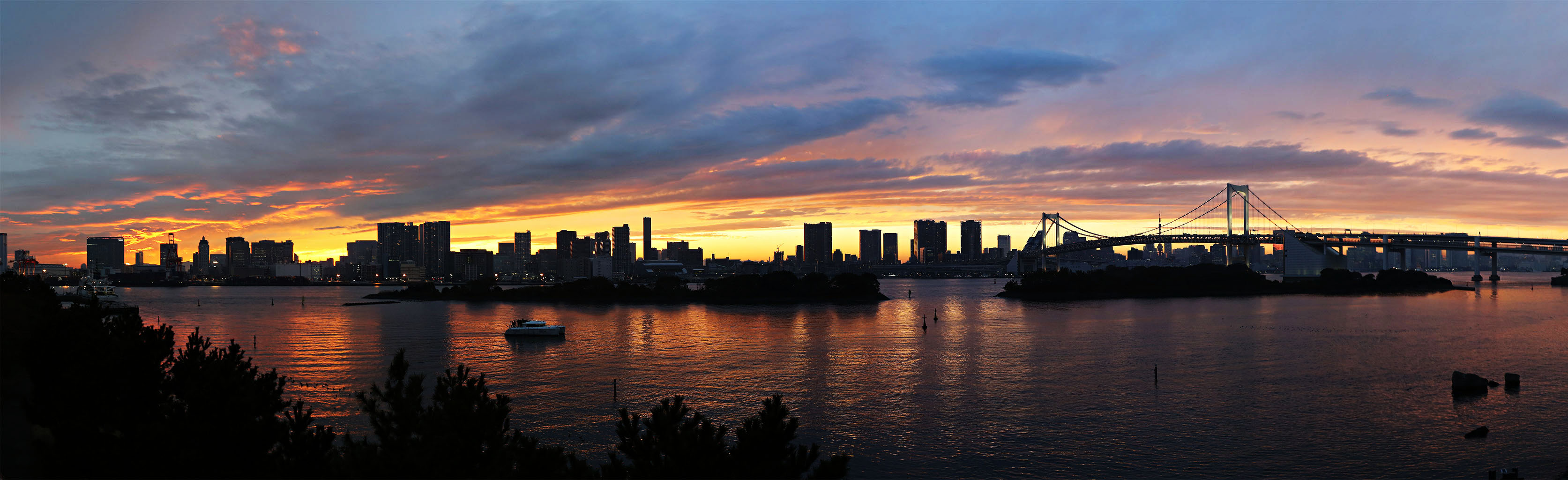
As I just sat and watched, I realized that I hadn’t stopped running and seeing things since I got there. I think when we travel that we often get too wrapped up in the process of traveling itself, seeing things, doing things, being on a schedule. We often don’t make space in our schedules, nor place ourselves in the right places, to enjoy moments like this. To smell the ocean breeze blowing across a bay. Watch the sunset go down. To see the changing colors of the sky. Watch the lights slowly coming on in the buildings as the city moves into evening.
Life is a beautiful thing – and all too fleeting to spend it wrapped up in constant doing. It’s in the quiet moments that you actual realize what life is about and see just how amazing and precious are the things you’ve been holding in your hands all along.
I awaken in the morning still feeling the light effects of the Fugu. I decide to rest in a bit since it’s been a couple of big days. I watch some TV shows that I brought over on my laptop and also get my Netflix working by using the awesome Firefox plugin called MediaHint. It’s nice to be able to have a taste of home after a few days in a completely different country. I’ll admit one thing I watched was Adventure Time.
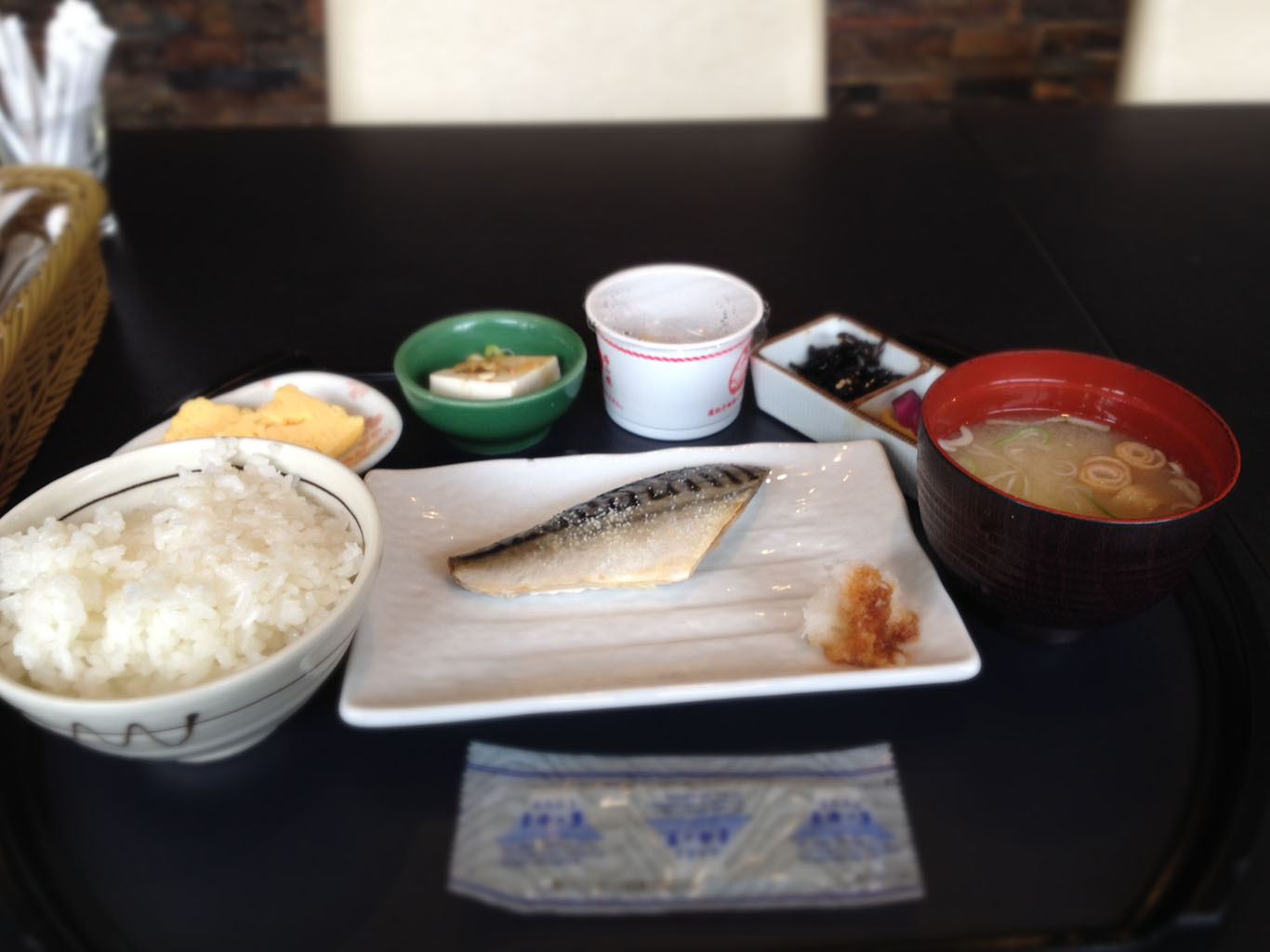
Still a bit disconcerted from the odd fugu feelings, I head down for breakfast at the hotel restaurant. I get the traditional Japanese breakfast, and am then off to get my first big errand done – a shipping box and packing materials.
I run over to Tokyu Hands, a pretty remarkable and famous do-it-yourself department and crafts store. I pick up a large box, and then run into these folks as I’m on my way out:

They’re some kind of news/interview folks from some show called ‘Zip!’ TV. My guess was it was kind of like the local cable-access channel. They asked me if they could interview me about my purchase at Tokyu Hands. After tentative agreement, signing a waver, and getting a tip or two from their translator – the camera guy switched on. They asked me a lot of questions about my box. What I bought it for, what I was going to send home. They had a young 20’s-ish kid from Vancouver, BC doing their translation and he admitted he kind of fell into the gig of translator for them. Anyway, it was kind of awkward to admit that most of what I was sending home was Otaku stuff: some models, a few action figures, a DVD or two, and a nice tea set and some pottery. Yes, pottery and tea set – that’s what I was sending home – and didn’t mention the otaku stuff. My goodness, I guess I now know what it’s like to be Bill Murray in Lost in Translation! But onwards, I had a meeting to get to!


At about 11 o’clock, I run over to the Shibuya Hikarie building to meet up with some friends-of-a-friend. What a fabulous building. It sits right behind the Shibuya station and is connected to it. But the connection was described as “Hikarie is part of Shibuya station the way a tree is part of your house when it falls on it.” Love it.
Before we went to lunch, however, one of the guys I was about to meet was super-helpful and we ran over to the post office. He helped me get my box of otaku wares shipped – so thanks Howard! I still have yet to see it about a month later, but they did tell me that sending it via surface ship could take 2-3 months. No hurry thankfully. We had a great lunch and we chatted about much geekery. Great success. Thanks Tanya for setting us up.
But after lunch, it was time to get to touring again! On my way back to the hotel, I take a little different route, and what do I find? A pet store!


So, how much does a cat in Japan cost? 89,000 yen is roughly $900. How much is the little black and white doggie in the window? 139,000 yen is about $1400. The little black pug was even more at almost $1700 USD. They were all adorable little animals – but it definitely showed that pets were a terribly expensive luxury item. If you see a person with a pet of any kind – they likely spent almost a $1000 on even an average looking animal.
But onward. I was going to take a trip through the heart of downtown Tokyo, and visit something I was very keen to see. It involved, however, an interesting train ride out to Odaiba island in Tokyo bay.
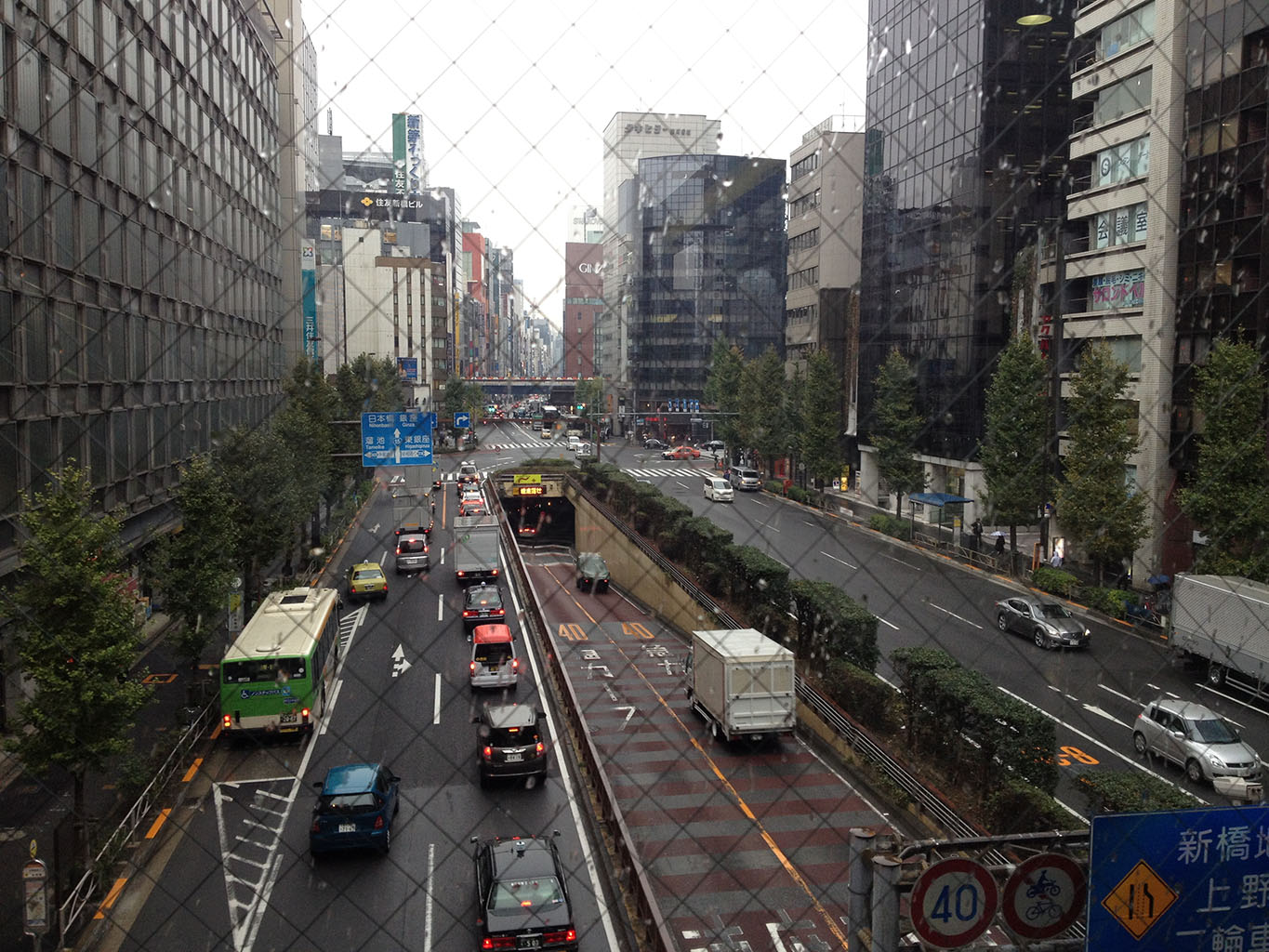
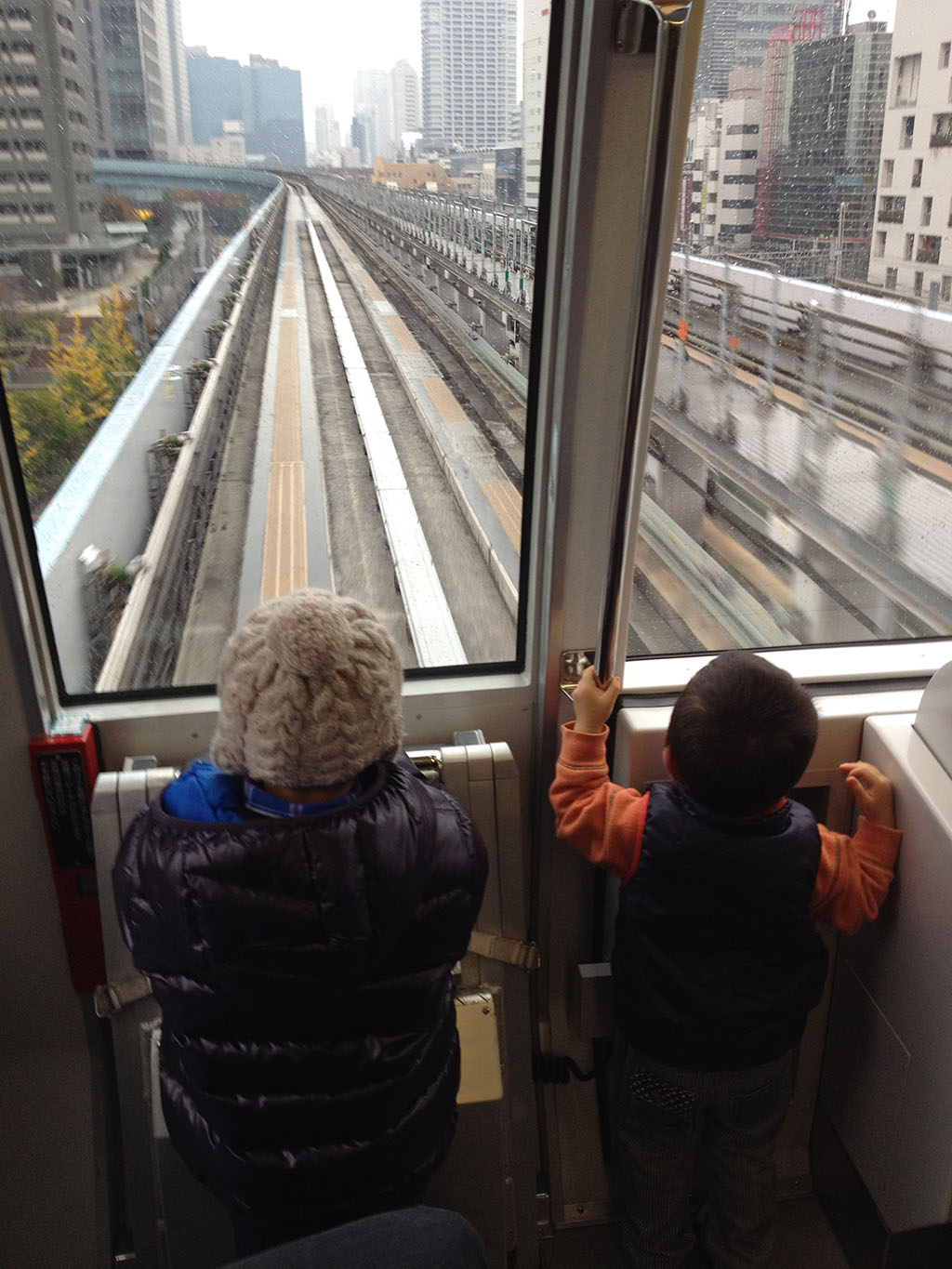

I take the subway all the way to the waterfront, and then switch to the Odiaba loop rail. It’s much like airport trains you see in that it’s really a train with car wheels that runs on a monorail track. It goes over the Rainbow bridge to the island itself.
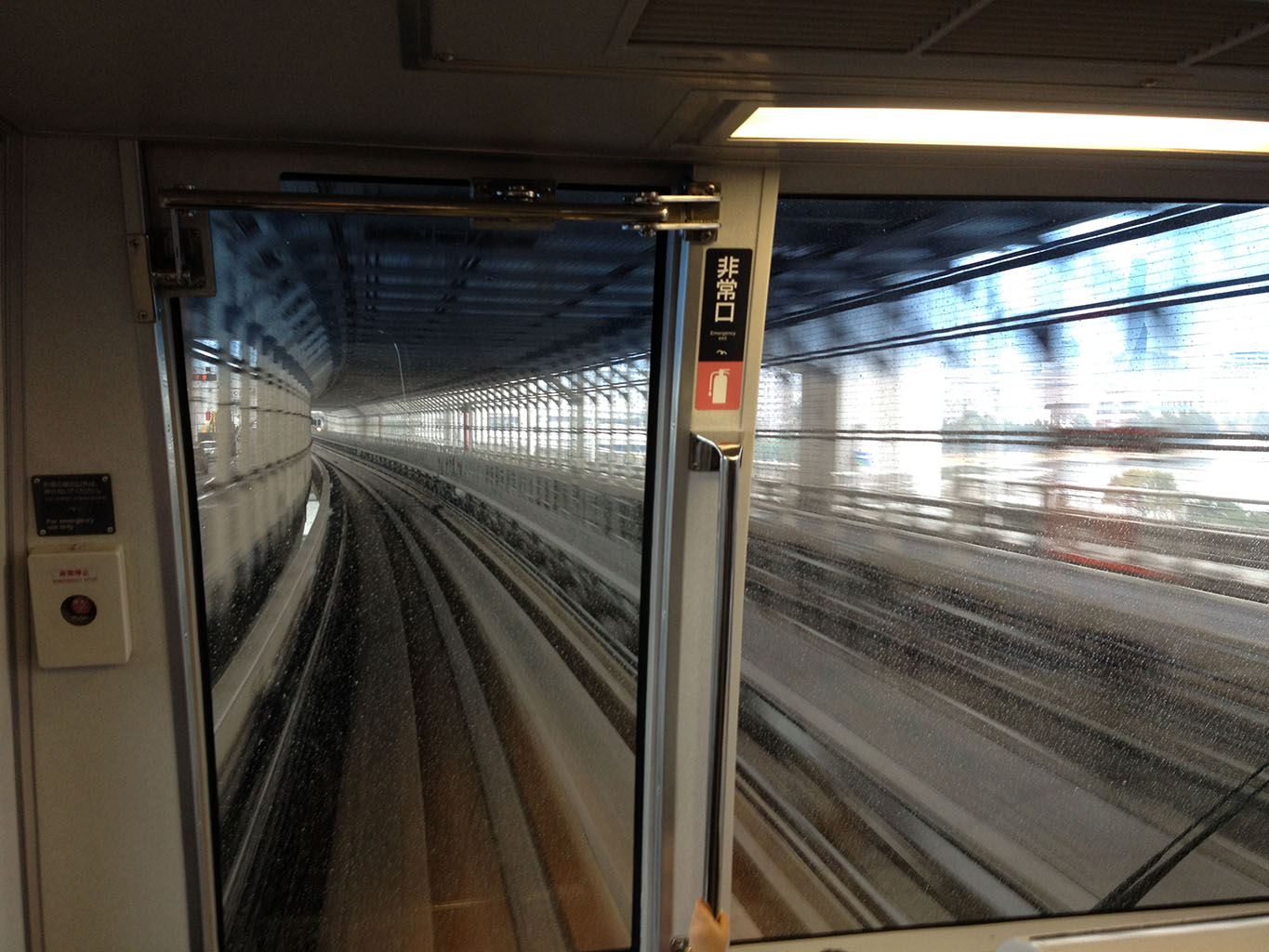
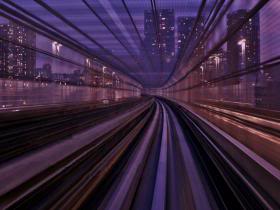
Does this picture look familiar? For those using Windows 8 – it should. The left shot is the exact same train line as the one on the Windows 8 desktop. In fact, it is the same rail line, just taken in the opposite direction off the bridge heading back into Tokyo. I thought of setting up my tripod/camera, but the train was full and so I just hand-held it. Nifty.
Anyway, I arrive at Odaiba island – and go looking for what I came to find…
I take the train from the arcade in Kawasaki back up to Shibuya for one last adventure of the day. I stop by my hotel and pick up all my medical information and insurance cards and put them in my wallet. Why? Because they might just save my life. But we’ll get to that in a minute.

A local Tokyo friend of a friend recommended a chain called Toro Fugu for being very highly respected (and highly priced) place to eat fugu. When your life literally could be on the line, I figured it was best not to go for the cheapest route and go with an established location.

The fugu in this restaurant are prepared to order – and this is the tank of fish that greets you as you enter.

I am shown to my own private traditional dining area and start working out what to order. They end up getting one of the chefs who spoke a bit of English to come by and we chat briefly about a few options. I opt for the fugu sashimi platter, a bowl of fugu spine soup. Both of which come highly recommended as great first dishes – and the ‘safest’ of the fugu dishes to try. At this point, part of me started considering the wisdom of ordering potentially deadly food when I don’t even speak the language…
Before we go on, a little bit about fugu. Fugu, or pufferfish, is one of the most celebrated and notorious dishes in Japanese cuisine. It is a dangerously poisonous fish that requires extremely careful preparation. Mistakes in preparation are often fatal. Its preparation is strictly controlled by law in Japan. Only chefs who have qualified through rigorous multi-year training programs are allowed to deal with the fish for public consumption. Apparently only about 30% of chefs pass the first time they take the certification test. For reference, only 17 restaurants in the United States are legally cleared by the FDA to serve fugu and it was illegal up until only a few years ago. Even with that, all domestic US restaurants have the fish properly cleaned and prepared in Japan before being flown over.
So how many people do get poisoned? In Japan from 1996 to 2006, between 34 and 64 victims a year end up hospitalized from fugu poisoning and anywhere from 0 to 6 persons die each year. The majority of these poisonings, however, involved fishermen eating their own catch. Many cases also involve folks who eat the internal organs such as the liver and ovaries, which are considered delicacies, but are also the most poisonous. Bandō Mitsugorō VIII, a famous kabuki actor, deliberately ordered four fugu livers to feel the rush and claimed to be immune. He died seven hours later. So, I’d say the danger is very real.
What is the story with the poison? It’s called tetrodotoxin (TTX). Tetrodotoxin is a potent neurotoxin which shuts down electrical signals in the nerves. Lethal doses are usually 8μg / kg of body weight. So a 170lb person would be killed by the miniscule amount of 0.62 milligrams. This is 1200 times more deadly than cyanide. On average, a single fish has enough poison to kill 13 people. Further, the potency is not affected by cooking so it doesn’t matter how much you did or didn’t cook it.
What are the symptoms? In light (or heavy doses), one usually immediately feels a bit of burning in the mouth or lips as soon as they eat it. This passes and they start feeling numbness in their extremities (fingers/toes/nose/etc) and a light airy feeling in their chest This is actually the feeling most people that eat fugu strive for. Many restaurants allow a miniscule amount of the toxin to remain on their portions so that diners get that feeling. One scientist, who had been bitten by a snake with neurotoxic venom, described it as the kind of peaceful light-headed feeling that people are supposed to get in the last few moments before they drown. That, combined with a tingling body, is the experience many desire and expect from their fugu dining experience.
More than that amount and…well… it becomes not pleasant quickly. There are many harrowing stories of folks who have been poisoned. The lightness progresses to dizziness, exhaustion, headache, and gradual loss of muscle control. More severe doses cause nausea and difficulty breathing as the poison works itself inward to core organs. Ultimately, loss of all muscle control results. This includes the respiratory system. Breathing then stops and asphyxiation follows – which is the ultimate cause of death from tetrodotoxin. Since the neurotoxin does not cross the brain-blood barrier, victims are fully conscious while their bodies shut down. Some have described it as sinking feeling, or being ‘entombed’ in your own paralyzed body. Near fatal poisonings often put people in a coma, sometimes even a waking coma. The time from consumption to collapse can be anywhere from a 4 hours to only minutes. There is no known antidote and treatment consists of emptying the stomach, feeding them active charcoal to bind the toxin, and putting the victim on life support until the poison wears off while keeping their fingers crossed.
It’s probably best I didn’t know all of this before I ate it.


Shortly, my order arrives. The sashimi is sliced razor thin – as I had read. You could literally see through it. I say a little prayer, and take a bite of my first (and hopefully not last) piece.
Fugu is a white fish, and as such, does not have a heavy fishy taste. In fact, it’s quite light. It almost has a smoked taste to it. Closest I could think of is a cross between yellowtail and cod. The texture, however, is unique. It’s somewhat rubbery like octopus; but lumpy – not smooth. The lumpier spots were rubbery and the bits between were soft and yellow-tail like. Overall, it was very good flavor – but not a knock your socks off experience (IMHO).
The spine soup was also very good. The long, white strips are fugu skin and spines. This was mixed with radishes and other bitey-flavored strong vegetable cuttings in a light vinegar soup. Again, the fugu bits were very mild flavored and a bit chewy. Mixed with the radishes and other strong vegetables – it made a great combination of flavors.
A final round came – the fried fugu. This turned out to be a bit much for me as the fish came STILL TWITCHING.
The charcoal grill was great and cooking up the pieces was really awesome.
I will however, say I did not finish my fried fugu. In truth, I was starting to feel a bit strange. While eating the bowl of spines, I did get a little burn on my lips. It was the same kind of burn that hot BBQ sauce would leave on your lips. This passed within a minute or two, but I did in fact notice my fingertips get a tingly sensation to them and my chest felt ‘airy’ and light. I found it to be a disconcerting feeling. I decided a plate of fugu sashimi and a bowl of spines and skin was enough tempting of fate and called it a night. On my way home, I did feel the ‘light/airy’ feeling that is associated with eating fugu. Personally, I wasn’t really digging it. You felt your body acting a bit strange. For me, I felt my fingertips be a bit numb, then it would move to a light/airy feeling in my chest, then my legs, then repeated the cycle. I never got the nausea or dizziness of the next stages – which according to what I read – means I got a very well prepared dish of fugu.
I monitoring how I felt for a solid 4 hours while reading and watching tv until I felt like things were not moving on to stronger stages, then tentatively went to bed. When I awoke in the morning, I could certainly feel the same shifting around of the feelings – but much less so. Still, the feeling stuck with me until about noon of that day when I got some good walking in and ate a great lunch.
So what did I learn? Was it worth it?
I would say yes – for the pure experience factor and only if you go to very high-end, well respected places. Fugu is simultaneously a nationally celebrated and notorious dish. It’s consistently rated at the top of the most dangerous foods to eat. Even the Simpsons had an episode about it. To say you’ve done it does put you in a small crowd.
Is it worth the risk for the flavor of the dish? No, I can’t say it is. While good, it’s not markedly better than most other kinds of sashimi I’ve had. It does have a unique texture and a really pleasant, delicate taste (again, closest I can think of is a chewy yellowtail). But I had much more enjoyment from the ultra-fresh sushi I enjoyed at Tsujiki.
Would I do it again – almost certainly not. After the odd feelings I had for nearly 24 hours afterwards, it certainly isn’t something I would like to repeat. I found that part to be more disconcerting than invigorating. Not having control over what your body is doing is not something I enjoy – but could understand why some would. For me, I tempted fate once and came out fine. I apparently got a very well prepared dish of fugu, got a taste of tetrodotoxin, and lived – but it’s not a flavor I think is worth tempting fate twice for.
Here’s a great scientific summary of about tetrodotoxin and pufferfish by The Octopus Lady on youtube.
(Update Oct 2021: Kowloon Walled City is no more, and sadly as of Oct 2019, the Kawasaki Warehouse is no more either. After getting a bucket of hits today, I fixed a lot of old WordPress formatting that didn’t age well, cleaned up my travel grammar issues, and expanded a few bits. Enjoy!)
After my awesome visit Tsukiji fish market, it was time to head south of Tokyo to Kawasaki and visit something I’ve long wanted to see: Kawasaki Warehouse.
Perhaps you’ve heard of Kowloon Walled City? Kowloon Walled City, located in Hong Kong China, was an amazing urban jungle of 350 buildings, almost all between 10 and 14 stories high, and populated by 33,000 people on an unbelievably tiny 6.5 acre plot of ground. This came about when the plot became disputed land after it was released to Britain in the late 1800’s. It existed in a lawless state as its governance remained in dispute. This disputed territory quickly was occupied by those seeking an escape. The people that lived there and the city they built has become stuff of legends.


Kowloon has been the subject of a famous book (now out of print and copies sell for over $400, though reprints are now available) and inspiration for many works of art (like these scenes from the Ghost in the Shell movie):
So, I jumped at the chance to visit the arcade that was supposedly inspired by the city. Amusement Game Park Kawasaki Warehouse is located in Kawasaki just a half hour train ride south of Tokyo.
I took the 30 minute train ride down to Kawasaki Station and then a 5 minute walk south-east of the train station (past a little shopping plaza with a really cool color cycling staircase)


I walk about half a kilometer to the arcade address: 3-7 Nisshinchō, Kawasaki Ward, Kawasaki, Kanagawa 210-0024, Japan.


And there it was nestled between some innocuous looking business towers:


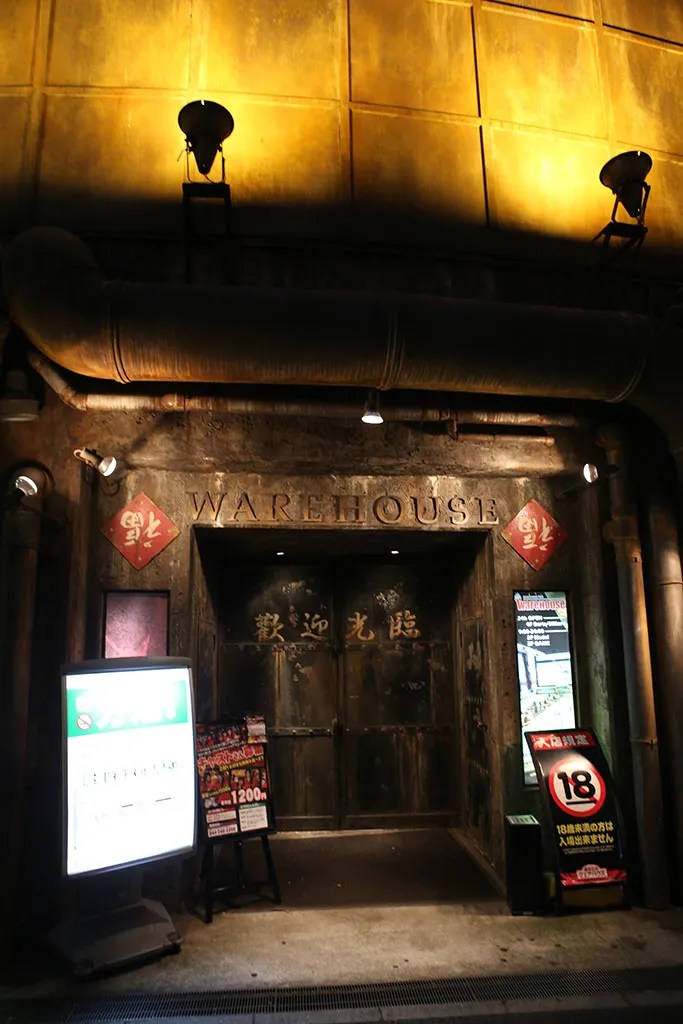


This thing was impressive! The closer you got – the more amazing it looked. The front door itself was an amazing piece of art.
The doors opened automatically with a whoosh of air as you entered – like a sci-fi movie. Once through the faux-iron outer doors, it revealed a red lit airlock within.
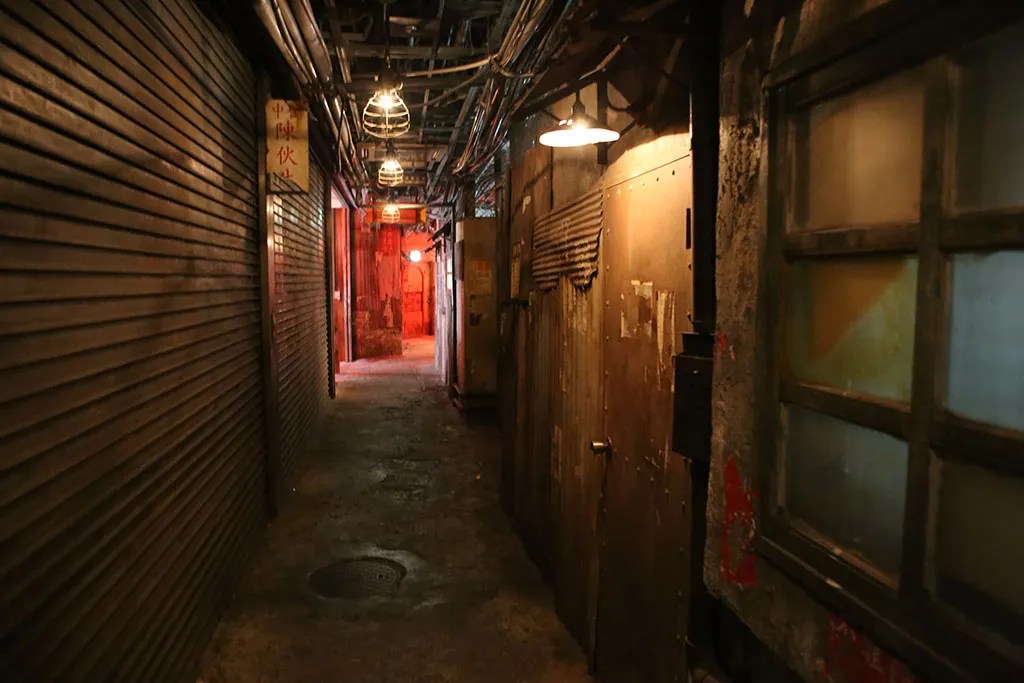


Next you found yourself in a long hallway that mimics walking down one of Kowloon’s narrow city streets. The attention to detail was astounding. You could hear muted street sounds all around you. As you walk past the doors/windows you overheard noises and voices behind the walls. It sounded like bits and pieces of conversations. Often you could look through the windows and see little scenes and apartments. It was all really well done with lots of great details. But the real treat awaited upstairs – which you reached via a cool elevator.


Wow! You come up either the elevator or escalator and are greeted by this amazing sight. A very intricate re-creation of a Kowloon street area awaited – with signs, graffiti, food vendors, and dingy vending machines. But this place isn’t a museum – it’s an arcade! 5 floors of it in fact.


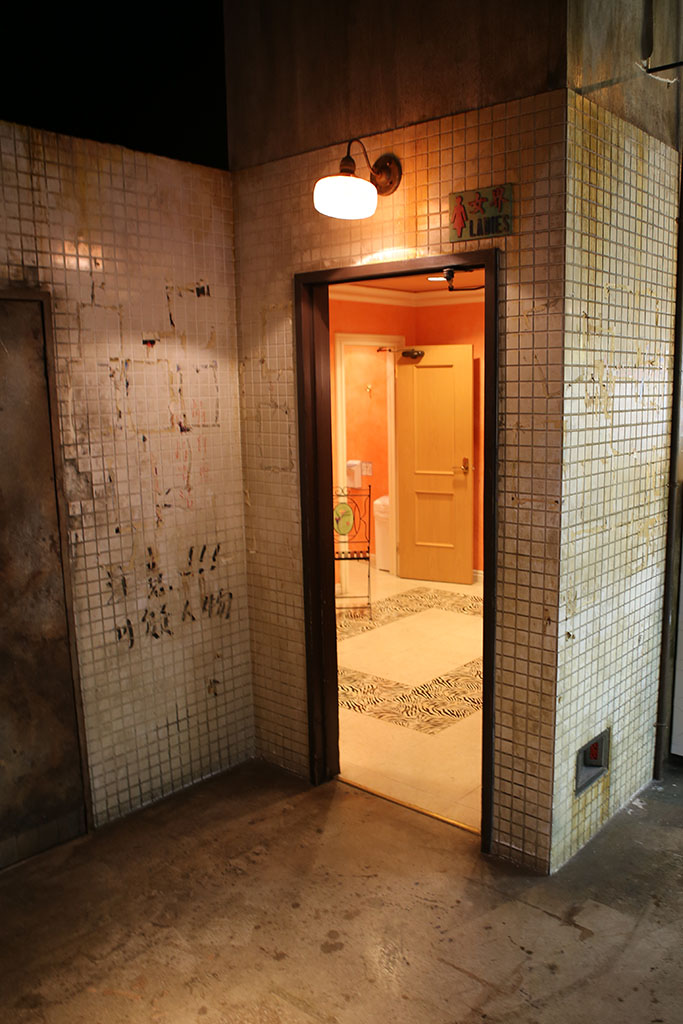
The first three floors of the arcade were Kowloon themed – even to the bathrooms. Well, the men’s bathrooms anyway – the women’s were very nice (at least from what I could see from the hallway. Thankfully the arcade was almost empty mid-day on a weekday so I could snap this shot of the open door). The dinginess is all faux – it’s painted grime. It was like being on a Blade Runner movie set.


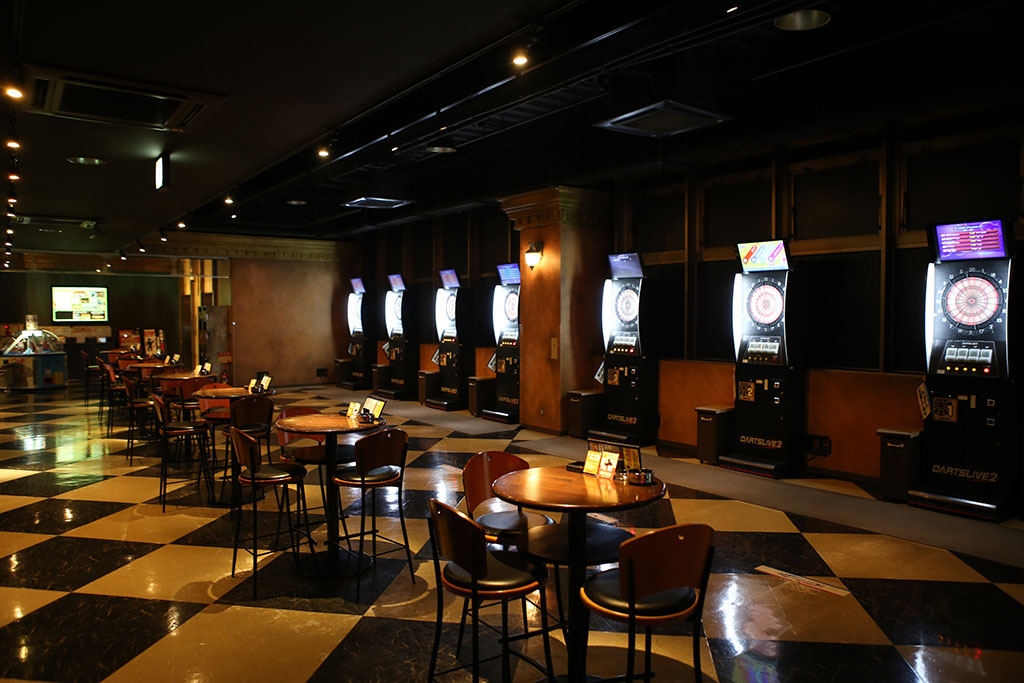


The other floors were also themed. There was a floor done up like Greek/Roman architecture. Yet another that looked kind of like a smoky leather/hardwood bar. There were also lots of different floors of games. The first arcade level, like many Japanese arcades, were claw prize machines. The second level was pachinko and coin pusher machines of all sorts – and some strange, gigantic video horse-racing games. The third level was the traditional video arcade machines you’d expect. The fourth level was a field of pool tables, ping-pong, and dart boards being used by some very serious looking characters. The fifth floor was some kind of private club area – so I couldn’t go in to check it out – but it looked a little swanky.
The second floor’s arcade games, however, were very impressive. Many I had never seen before.
Here was a guy killing this game called Jubeat. You had to hit the squares that lit up with special icons in sequences as the music played. The icons changed color quickly after they appeared, and I think you had to hit in time with the beat to give you perfect/good/missed scored points.
The above game is called BeatMania. It’s a fast-paced rhythm game you play on a very realistic DJ mixing panel. Some of the better players I saw were going at amazing rates – this was probably the *slowest* I saw someone playing it.
This game is called Gunslinger Stratos. It looked a lot like a standard rail shooter game but with dual-wielded pistols. The graphics were really well done, but the real kick was the physical guns. On various parts of the handguns (sides/top/front/etc.), they had little alignment rails with attracting magnets in them. While you played, you could you could physically ‘hook’ the two guns together in different configurations: side by side, one on top the other, etc. and get different power shots/effects.
These things have apparently been getting really hot in Japan – Namco P.O.D. (Panoramic Optical Display) systems. Right now, this one is set for Kidō Senshi Gundam: Senjō no Kizuna – Mobile Suit Gundam: Bonds of the Battlefield. You actually sit inside this cockpit and are surrounded by displays. They’re apparently networked and you can play people across the country – or in the same arcade. If in the same arcade, you apparently even get in-cockpit voice chat. But at like 500¥ per play (approximately $5 USD), it comes with a steep price tag.


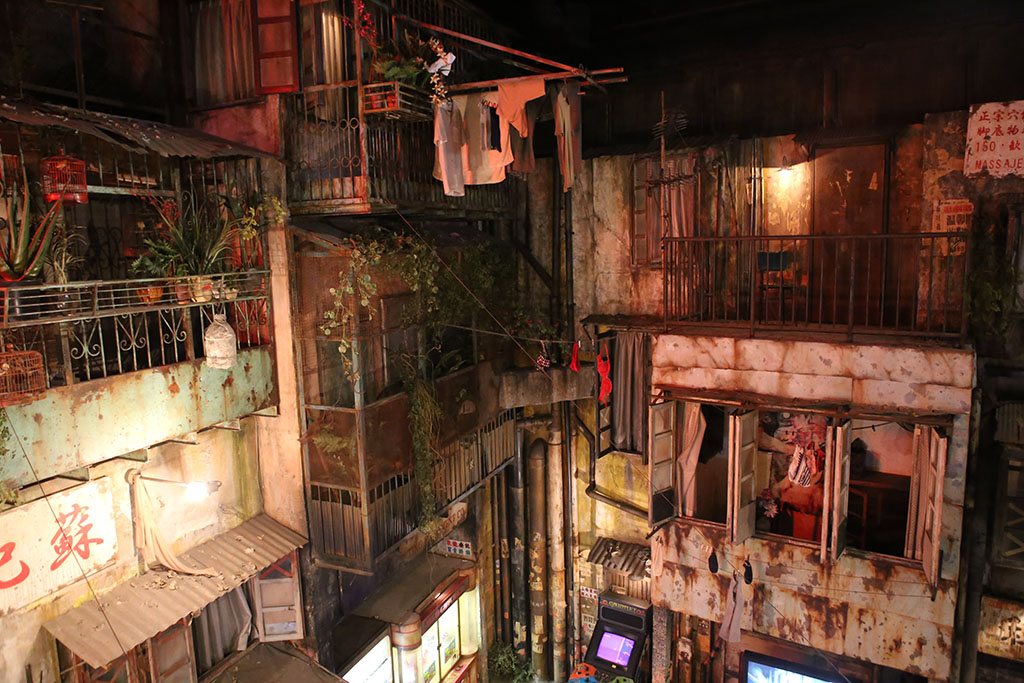

After a lot of arcade enjoyment, I went back over to the Kowloon themed area from the upper floor and took some more shots. It was impressive and hard to capture the 360 experience.
(2021 Update: I found this VR view from the upper balcony:)
Finally, one of the most impressive things was the back entrance to the arcade via the parking lot of all things.
If you enter through the garage, you see this cool looking door…

but when it opens…and WHAT????


You get a cool little room with water pouring from dragon heads into this green-lit pool. You have to walk across the rocks with rusty pipe handrail while funky ambient music plays.
Here’s a video of the effect.
This was a fantastic arcade, but after the fun of a few rounds of games, it was time to head back up to Tokyo for one last adventure for the day…