Clock clock
A fascinating piece of kinetic sculpture (over 3 feet long) by the design studio Humans since 1982. Available at the Moma store for only $4995
A fascinating piece of kinetic sculpture (over 3 feet long) by the design studio Humans since 1982. Available at the Moma store for only $4995
Autumn is without a doubt my favorite season of the year. The trees turn, pumpkin patches open, corn mazes draw crowds, hoodies, jackets, scarves appear, and fall decorations of leaves are made by children everywhere. As the nights grow+ colder and days shorter, who couldn’t also love a good spooky story told around a campfire while cooking smores and drinking hot cider?
Dana Mele created a list of amazing short spooky stories from solid literary sources. These aren’t your blood and gore stories, gimmicky kiddie tales, or cheap jump scares. Many come from the golden ages of the 1800’s when proper authors would often write short, scary tales. I approve of her entire list. Best yet, each is short enough to read before falling asleep. So pour a warm drink, toss a few logs on the fireplace, and settle in under a warm blacket before bed and read a good story!
(The link to her countdown is here, but I’m always afraid of such beautiful resources getting lost/shut down. So I make a copy here.)
Do you have any spooky stories you would add? Please share!
31. The Yellow Wallpaper by Charlotte Perkins Stetson, PDF – Free Audiobook version

30. The Tapestried Chamber by Sir Walter Scott – Free Audiobook version

29. The Phantom Coach by Amelia B. Edwards, PDF – Free audiobook version

28. Squire Toby’s Will by J.S. Le Fanu

27. The Upper Berth by F. Marion Crawford – Free audiobook version

26. The Judge’s House by Bram Stoker, PDF – Free audiobook version

25. Man-Size in Marble by Edith Nesbit – Free audiobook version

24. The Roll-Call of the Reef by Sir Arthur Quiller-Couch – Free audiobook version

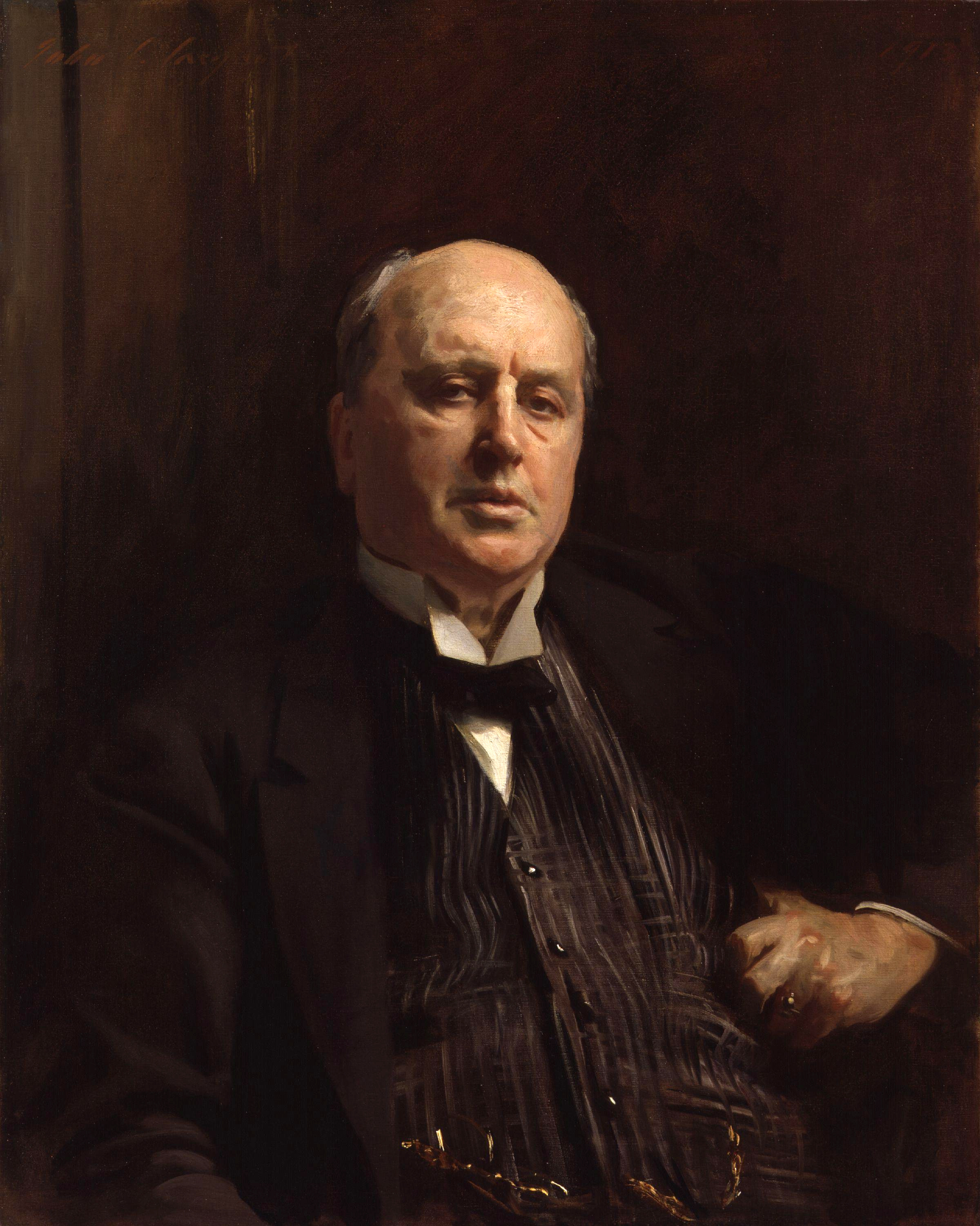
23. The Friends of the Friends by Henry James
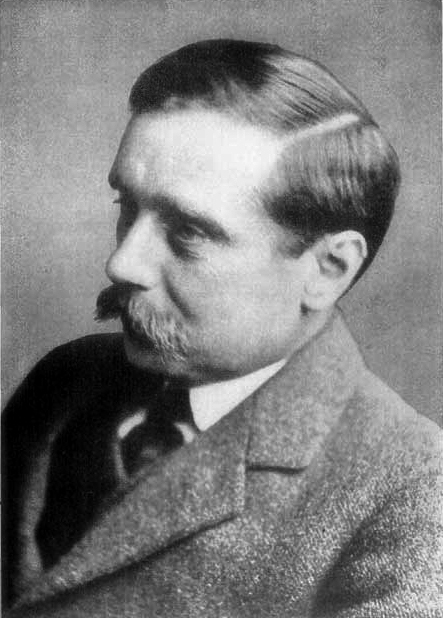
22. The Red Room by H.G. Wells – Free audiobook here
21. The Monkey’s Paw by W.W. Jacobs, PDF – Free audiobook here

20. The Lost Ghost by Mary E. Wilkins – Free audiobook here

19. ‘Oh, Whistle, and I’ll Come to You, My Lad’ by M.R. James – Free Audiobook version (2 parts)

18. The Empty House by Algernon Blackwood, PDF – Free audiobook version

17. Widdershins by Oliver Onions (6 ghost stories) – Free audiobook version

16. Rose Rose by Barry Pain

15. The Confession of Charles Linkworth by E.F. Benson

14. On the Brighton Road by Richard Middleton – Free Audiobook version

13. Bone to His Bone by E.G. Swain, PDF version

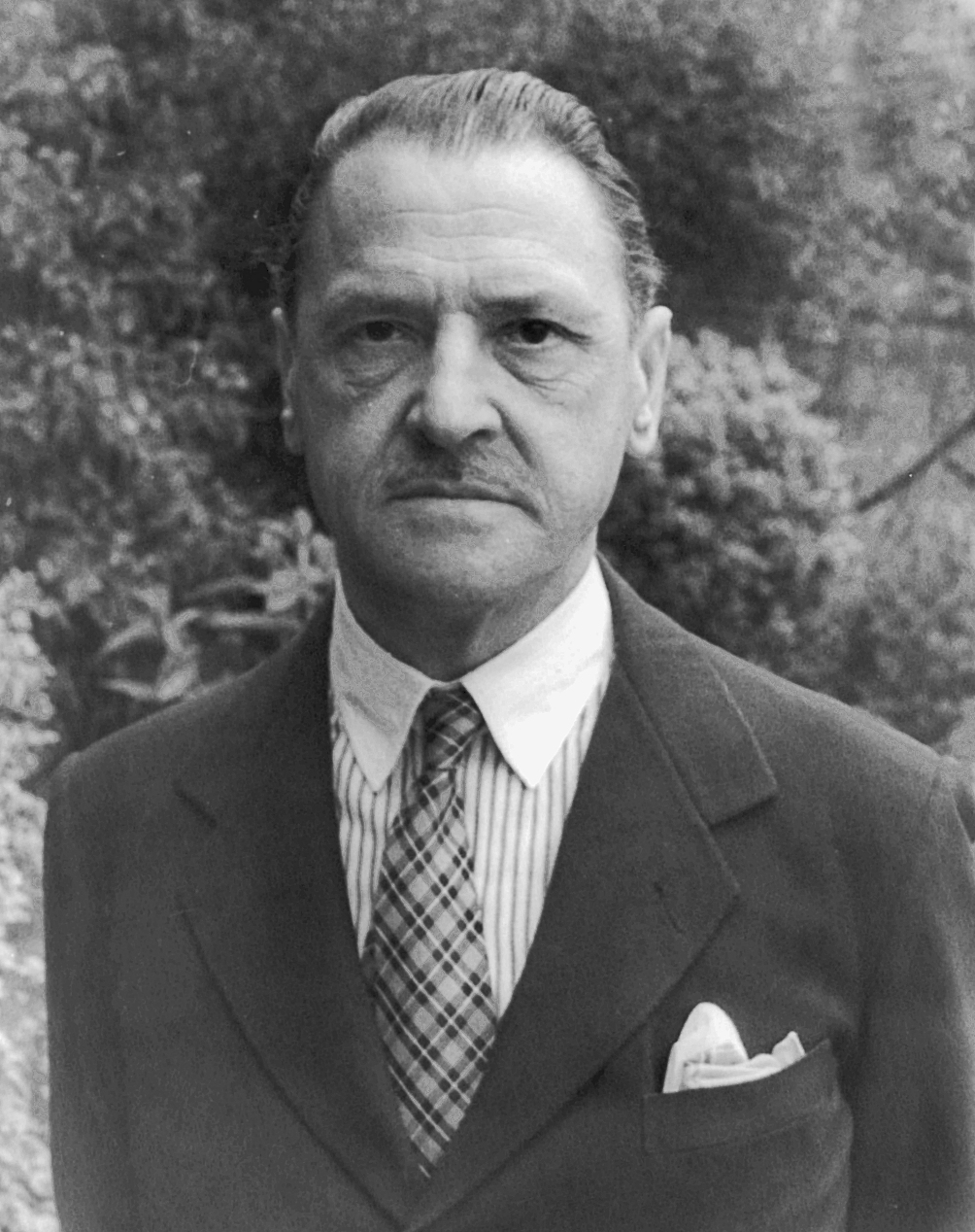
12. The Taipan by W. Somerset Maugham
11. A Visitor From Down Under by L.P. Hartley

10. Fullcircle by John Buchan

9. The Clock by W.F. Harvey

8. Mr. Jones by Edith Wharton

7. Smee by A.M. Burrage – Free audiobook version

6. The Little Ghost by Hugh Walpole

5. The Hollow Man by Thomas Burke (small print- view in fullscreen and adjust)

4. Et in Sempiternum Pereant by Charles Williams

3. An Encounter in the Mist by A.N.L. Munby, PDF version

2. The Raven by Edgar Allen Poe – Free audiobook version


List of Honorable Mentions:
- “Berenice” (1835) by Edgar Allen Poe
- “The Black Cat” (1845) by Edgar Allen Poe
- “The Cask of Amontillado” (1846) by Edgar Allen Poe
- “The Facts in the Case of M. Valdemar” (1845) by Edgar Allen Poe
- “The Fall of the House of Usher” by Edgar Allen Poe
- “Hop-Frog” by Edgar Allen Poe
- “Ligeia” by Edgar Allen Poe
- “The Masque of the Red Death” by Edgar Allen Poe
- “Mesmeric Revelation” by Edgar Allen Poe
- “The Pit and the Pendulum” by Edgar Allen Poe
- “The Premature Burial” by Edgar Allen Poe
- “Some Words With a Mummy” by Edgar Allen Poe
- “The System of Dr. Tarr and Prof. Fether” by Edgar Allen Poe
- “The Tell-Tale Heart” by Edgar Allen Poe
- Other runners up
- Hand in Glove by Elizabeth Bowen
- A Ghost Story by Mark Twain
- The Mortal Immortal by Mary Shelley
- The Tomb by H.P. Lovecraft
- The Tree by H.P. Lovecraft
- The Vampiress by Lord Lytton
- The Vampyre by John Polidori
- THE SKETCH BOOK.
- THE SPECTRE BRIDEGROOM.
- “Herman Wouk Is Still Alive” by Stephen King
- “Wolfshead” by Robert E. Howard
- “Varney the Vampire” by James Malcolm Rymer and/or Thomas Preskett Prest
- “The Truth Is a Cave in the Black Mountains” by Neil Gaiman
- “Ma Perkins Comes to Stay” by Ray Bradbury
- “The Oval Portrait” by Edgar Allan Poe
- “Catskin” by Kelly Link
- “Nethescurial” by Thomas Ligotti
- “Trapped Inside the Stoker” by Jack Ketchum
- “Dissolution” by Sarah Langan
- “The Last Man” by Mary Shelley
- “Magdala Amygdala” by Lucy A. Snyder
- “Strange Candy” by Robert McCammon
- “Mexican Moon” by Karen E. Taylor
- “The Goblin’s Collection” by Algernon Blackwood
- “The Repairer of Reputations” by Robert W. Chambers
- “The Rats in the Walls” by H.P. Lovecraft
- “A Death” (The New Yorker, March 2015)
- The Shadow in the Corner by M.E. Braddon
- A Wicked Voice by Vernon Lee
According to most scientific sources, even those written by such notables as Stephen (corrected) Hawking, the universe is about 13.88 billion years old. But the dirty secret is that recently possible measurements weren’t jiving.
Gaia is the EU’s new space-based telescope and has logged the distances between almost a billion nearby stars with unprecedented accuracy. In releasing the distances to the first 2 million objects, it’s numbers are causing a stir because if the Gaia speed observations are correct, it would mean having to reduce the estimated 13.88 billion-year-old universe by perhaps a few hundred million years.
Kudos to the BBC for not dumbing it down:
http://www.bbc.com/news/science-environment-37438458
SethBling took his MarI/O neural net/machine learning Mario AI and applied it to Mariokart.
SethBling decided to apply his knowledge of writing neural nets and machine learning algorithms to the problems of playing Mario
Here’s the paper writeup: http://nn.cs.utexas.edu/downloads/papers/stanley.ec02.pdf
Here’s the source: http://pastebin.com/ZZmSNaHX
How cool is your home-brew MAME arcade machine? This cool? Wow.
Remember studying about that “Industrial Revolution” or “Internet” thing and how it changed society and demographics? This is a really good write-up on how the next revolution of machine learning is about, and already, changing everything again. Get ready for it.
https://www.wired.com/2015/08/robots-will-steal-jobs-theyll-give-us-new-ones/
Letrons’ amazing BMW can turn from a car into a giant transformer on command. Yes, the car can actually drive via remote control.
Researchers from the Hasso Plattner Institute show off unique constructions that have mechanisms built into them via the use of cellular grids. These allow 3D printed materials to have some of the same properties as traditional mechanisms like hinges or gears.
-1 for the truly awful soundtrack though.
Humility isn’t about doing crazy acts of self-deprecation, self-abuse, having low self-esteem, or believing you are fundamentally bad/terrible/worthless. We often see this hyperbole in movies and TV that features an often unstable person consumed by ‘religion’. Sometimes read that kind of language from the saints, but they did not believe their soul was actually worthless or they were valueless and unloved. Quite the contrary – they took refuge in knowing that God loved them infinitely. Instead, they meant that when we see ourselves clearly, we recognize just how broken we are. It’s like an athlete that realizes just how often they don’t train with their full effort, or a person on a diet that cheats all too often, or a spouse that realizes they’ve neglected their partner. Except for them and us, it’s the painful realization we so often do not love as we ought. Because of that lack of love, we are robbed of happiness and feel the pain they caused the God they loved so ardently. Some go further and recognized that besides the wrongs we know about, even our best efforts are often tainted with laziness/vanity of how we want others to see us/errors in judgment. In that way, they really just state the basic brokenness that we so often do things we know we shouldn’t. It’s original sin – the state of this broken world that each of us is born into. But none of this is humility.
Humility is about stopping thinking it’s all about us. It’s really about truly being free. In our modern world, we believe freedom is the ability to do whatever thing we want. This idea isn’t true freedom. Instead, when we become free of thinking everything is related/about us and our desires, we become free to have other motives for our actions. This is why many saints lived very ascetic lives. These practices helped them strip away the desires for comfort and ease that make us weak to our desires. This is absolutely no different that Olympic athletes that deny themselves all kinds of things and train 7 days a week/8+ hours a day for years. Many ambitious professionals forgo bar nights, sleeping in, friendships, fun activities, travel, marriage, or many other pleasurable things to reach their professional goals. But just like athletes, we need to look at our ascetic practices carefully. It’s easy to put on great shackles of self-denial – but if they are not producing good fruits – then they are worthless or perhaps even just injure us. As the exercises of a marathoner are tracked to see if they produce better times, our ascetic practices should be tracked/reflected on to see if they are producing greater compassion, forgiveness, love, and the ability to deny our unhelpful desires.
So humility is really a path to freedom. As we grow in the ability to look beyond our desires, it means we can abandon ourselves more and more to do the things that are good. For Christians, it allows us to quietly reflect on and do the will of God – putting ourselves at the service of him and others. Our faith teaches us that by doing this, we learn what true love is. This is what is meant when one says we live the cross. By the painful nails of turning away from our desires, our selfishness and lack of humility are stripped away until we become free of ourselves. We are able to embrace childlike, self-giving love that empties itself for others and make us Christ for the world. Or as St Augustine of Hippo (354-430 AD) notes when reflecting about the centurion that regarded himself as unworthy to receive the Lord into his house: “Humility was the door through which the Lord entered to take full possession of one whom he already possessed.”